Are Energy Drinks Bad for You? What the Research Actually Says
The concerns around energy drinks come down to caffeine dose, sugar, and sweeteners — all formulation choices. Here's how to read a label and pick a better can.
Key takeaways
- The research concerns cluster around three things: caffeine dose, sugar load, and sweetener choice.
- None of those are inherent to energy drinks — they're formulation decisions.
- A daily can is hundreds a year, so the label matters more than any single serving.
The ELITE Research Brief
Get the nootropic + adaptogenic science, decoded
One short email (or text) when we publish a new evidence-backed breakdown — dosing, studies, and what actually holds up. Plus 10% off your first order.
Energy drinks get a bad reputation, and some of it is earned. But almost every documented concern traces back to a formulation choice, not to the format itself.
What the concerns actually are
| Concern | What drives it | Can it be formulated out? |
|---|---|---|
| Jitters, anxiety, racing heart | High caffeine anhydrous doses (250–300 mg+) absorbed fast | Yes — lower dose, slower-absorbing source, L-Theanine pairing |
| Afternoon crash | Sharp caffeine peak, often stacked on sugar | Yes — zero sugar and a gentler caffeine curve |
| Blood sugar and dental impact | 27–54 g of added sugar per can | Yes — 0 g sugar formulas |
| Sweetener questions | Sucralose, acesulfame potassium, erythritol | Yes — monk fruit and stevia instead |
| Poor sleep | Caffeine's 5–6 hour half-life, consumed late | Partly — timing is on you |
The sugar problem is largely solved
A traditional 16 oz energy drink can carry more added sugar than the American Heart Association recommends for an entire day. That single variable accounts for a large share of the category's health criticism, and zero-sugar formulas remove it outright.
The sweetener question replaced it
Most zero-sugar cans swap sugar for sucralose, acesulfame potassium, or erythritol. The WHO has advised against relying on non-sugar sweeteners for weight management, and research in Nature Medicine raised questions about erythritol and cardiovascular risk markers. A single can isn't dangerous — but energy drinks are a near-daily habit for most people who buy them, and that's the frame that matters.
Caffeine is a dose conversation, not a yes/no
The FDA's 400 mg per day reference for healthy adults is a population figure. Sensitivity varies with genetics, body size, medication and tolerance, and the line is meaningfully lower for adolescents and during pregnancy. A 300 mg can leaves very little room; a 200 mg can leaves room for a coffee.
A practical checklist
- Caffeine at or under 200 mg per can
- Caffeine source named on the label, not just "caffeine"
- 0 g added sugar, sweetened with monk fruit or stevia
- Functional ingredients listed with doses, not hidden in a blend
- Last can before roughly 2 p.m. if you're sleep-sensitive
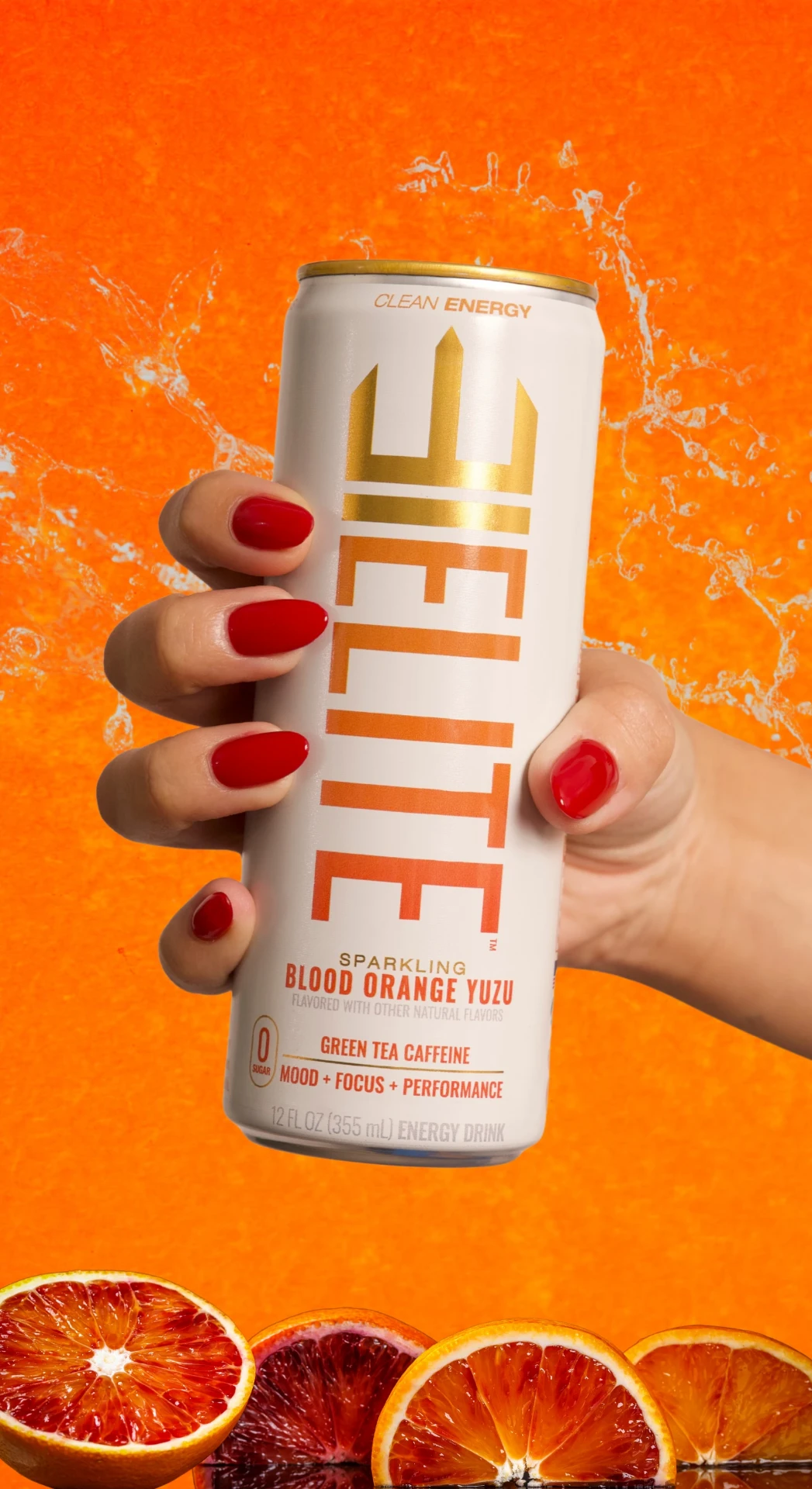
What's in every ELITE can
- 200 mg green tea caffeine
- 200 mg L-Theanine
- 200 mg Lion's Mane
- 100 mg KSM-66® Ashwagandha
- 100% DV Methyl B-Complex
- 0 g sugar, naturally sweetened
Educational content, not medical advice. Talk to your doctor about caffeine if you're pregnant, nursing, under 18, or managing a cardiac condition.
Go deeper
The science behind the can
Keep reading the research
Want the next ingredient deep-dive first?
Join the Research Brief for study-backed guides on caffeine, L-theanine, Lion's Mane and ashwagandha — no hype, no spam. New subscribers get 10% off.
Frequently asked questions
Are energy drinks bad for you?
The documented concerns trace back to three formulation choices: high doses of fast-absorbing synthetic caffeine, added sugar, and artificial sweeteners. Formulas that avoid all three carry far fewer of them.
Is one energy drink a day okay?
For most healthy adults, a can at or under 200 mg of caffeine fits inside the FDA's 400 mg daily reference. Because it's a daily habit, the sweetener and sugar content matter more than any single serving.
Which energy drinks are the healthiest?
Look for 0 g added sugar, a named caffeine source, no sucralose or acesulfame potassium, and functional ingredients disclosed by dose rather than hidden in a proprietary blend.
References & further reading
About the author
The ELITE Formulation Team
Product formulation & research team, ELITE Energy — Islamorada, FL
ELITE Nutrition Advisory Review: Reviewed for accuracy against published, peer-reviewed research and our current can formulation. Last reviewed August 14, 2026. This content is for educational purposes and is not medical advice.