What Energy Drink Has the Most Caffeine? A Real Comparison
Caffeine per can ranges from 80 mg to 300 mg. A side-by-side comparison of popular energy drinks, what the FDA says, and why 200 mg is the usable ceiling.
Key takeaways
- Most cans land between 80 mg and 300 mg of caffeine; a few pre-workout style drinks go higher.
- The FDA cites 400 mg per day as generally safe for healthy adults — one big can can be most of that.
- More milligrams is not more usable energy. Source and pairing decide how the dose actually feels.
The ELITE Research Brief
Get the nootropic + adaptogenic science, decoded
One short email (or text) when we publish a new evidence-backed breakdown — dosing, studies, and what actually holds up. Plus 10% off your first order.
"What energy drink has the most caffeine?" is usually the wrong question. The useful one is how much caffeine you can take and still feel good four hours later.
Where popular cans land
Caffeine per can varies by more than 3x across the category. Figures below are the amounts brands publish on their own labels — formulas change, so always check the can in your hand.
| Drink | Size | Caffeine |
|---|---|---|
| Red Bull | 8.4 oz | 80 mg |
| Monster Energy | 16 oz | 160 mg |
| Celsius | 12 oz | 200 mg |
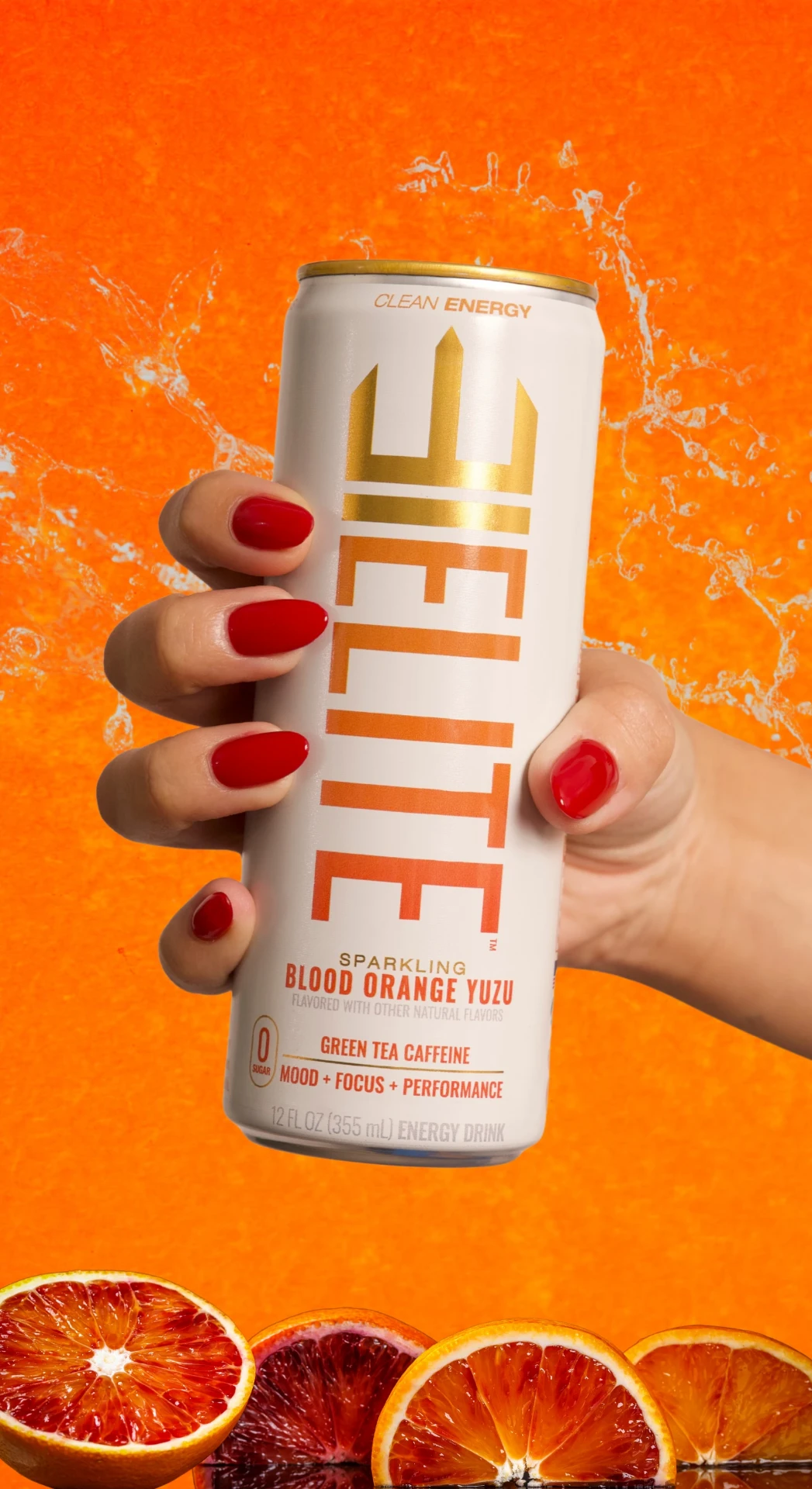
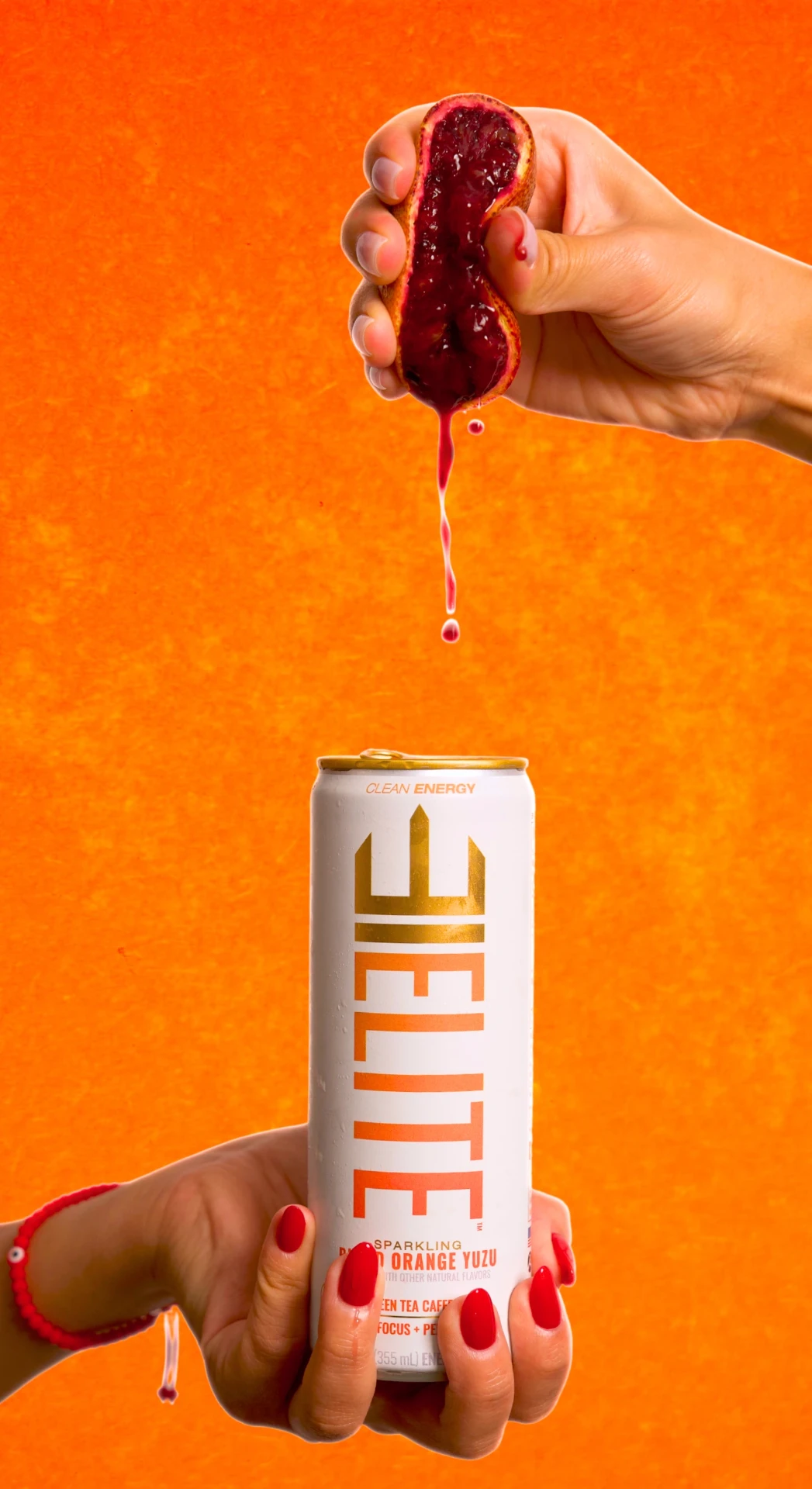
| ELITE Energy | 12 oz | 200 mg (green tea) |
| C4 Energy | 16 oz | 200 mg |
| Alani Nu | 12 oz | 200 mg |
| Reign / Bang | 16 oz | 300 mg |
| Brewed coffee | 8 oz | ~95 mg |
The ceiling that actually matters
The FDA points to 400 mg per day as a level not generally associated with negative effects in healthy adults. A single 300 mg can puts you three-quarters of the way there before your first coffee. That's why the highest number on the shelf is rarely the best number for a daily habit.
Why 200 mg keeps showing up
- It sits inside the 100–200 mg range used in most cognitive-performance research
- It's a real dose — roughly two cups of coffee, not a token amount
- It leaves headroom under the 400 mg daily reference for tea or coffee later
Two 200 mg cans can feel completely different
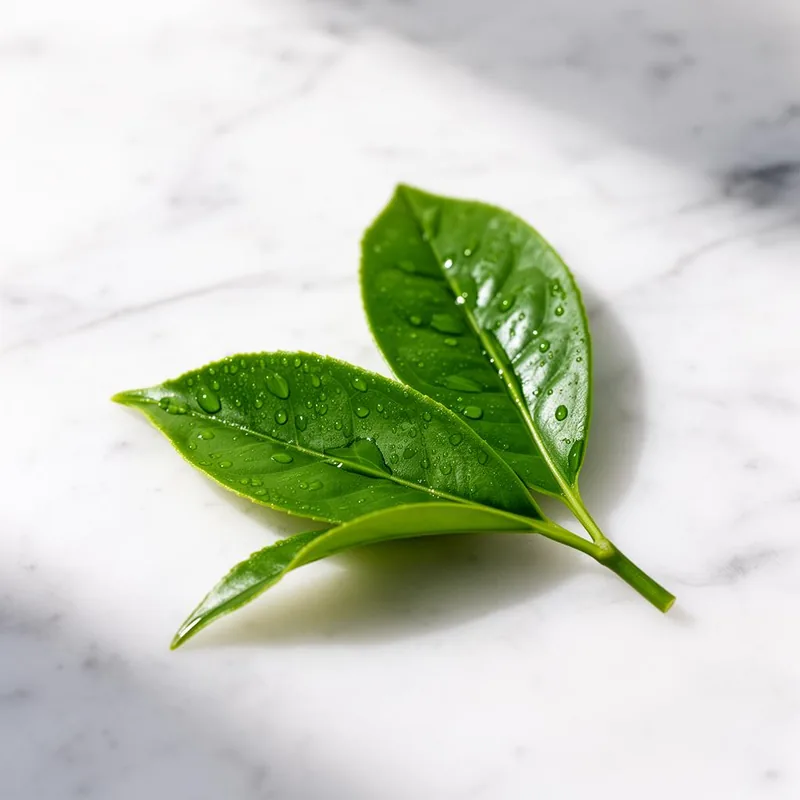
Caffeine anhydrous — the synthetic form in most energy drinks — peaks in 15–30 minutes and falls off just as sharply. Green tea-derived caffeine takes 45–60 minutes to peak and tapers gradually. Add L-Theanine at a 1:1 ratio and you get what researchers call calm alertness: the same alertness, less edge.
What's in every ELITE can
- 200 mg green tea caffeine
- 200 mg L-Theanine
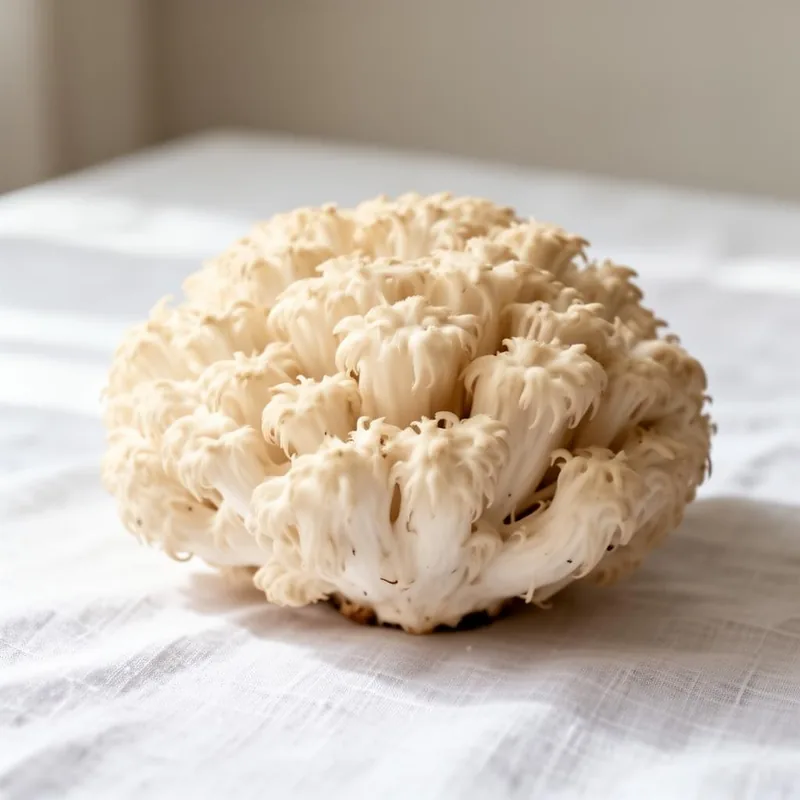
- 200 mg Lion's Mane
- 100 mg KSM-66® Ashwagandha
- 100% DV Methyl B-Complex
- 0 g sugar, naturally sweetened
Educational content, not medical advice. Adolescents, people who are pregnant or nursing, and anyone with a heart condition should be considerably more conservative with caffeine.
Go deeper
The science behind the can
Keep reading the research
Want the next ingredient deep-dive first?
Join the Research Brief for study-backed guides on caffeine, L-theanine, Lion's Mane and ashwagandha — no hype, no spam. New subscribers get 10% off.
Frequently asked questions
What energy drink has the most caffeine?
Among mainstream cans, 300 mg per 16 oz is the top of the range (Bang, Reign). Red Bull sits at 80 mg per 8.4 oz and Monster at 160 mg per 16 oz. ELITE uses 200 mg of green tea caffeine per 12 oz.
Is 300 mg of caffeine in one drink too much?
It isn't unsafe for most healthy adults, but it uses three-quarters of the FDA's 400 mg daily reference in a single can, which leaves little room for coffee or tea later in the day.
Does more caffeine mean more energy?
Not usefully. Beyond roughly 200 mg the added alertness is small while jitters, anxiety and crash risk rise. Source and pairing change the experience more than the milligram count.
References & further reading
- FDA, Spilling the Beans: How Much Caffeine Is Too Much?
- USDA FoodData Central — caffeine content of common beverages
- Manufacturer nutrition panels, accessed 2026
About the author
The ELITE Formulation Team
Product formulation & research team, ELITE Energy — Islamorada, FL
ELITE Nutrition Advisory Review: Reviewed for accuracy against published, peer-reviewed research and our current can formulation. Last reviewed August 14, 2026. This content is for educational purposes and is not medical advice.