Monster vs Red Bull vs ELITE: An Honest Label Comparison
Caffeine source, dose, sweeteners and functional ingredients compared side by side across Monster, Red Bull and ELITE Energy — straight from the nutrition panels.
Key takeaways
- Red Bull and Monster are built around sugar or artificial sweeteners plus synthetic caffeine.
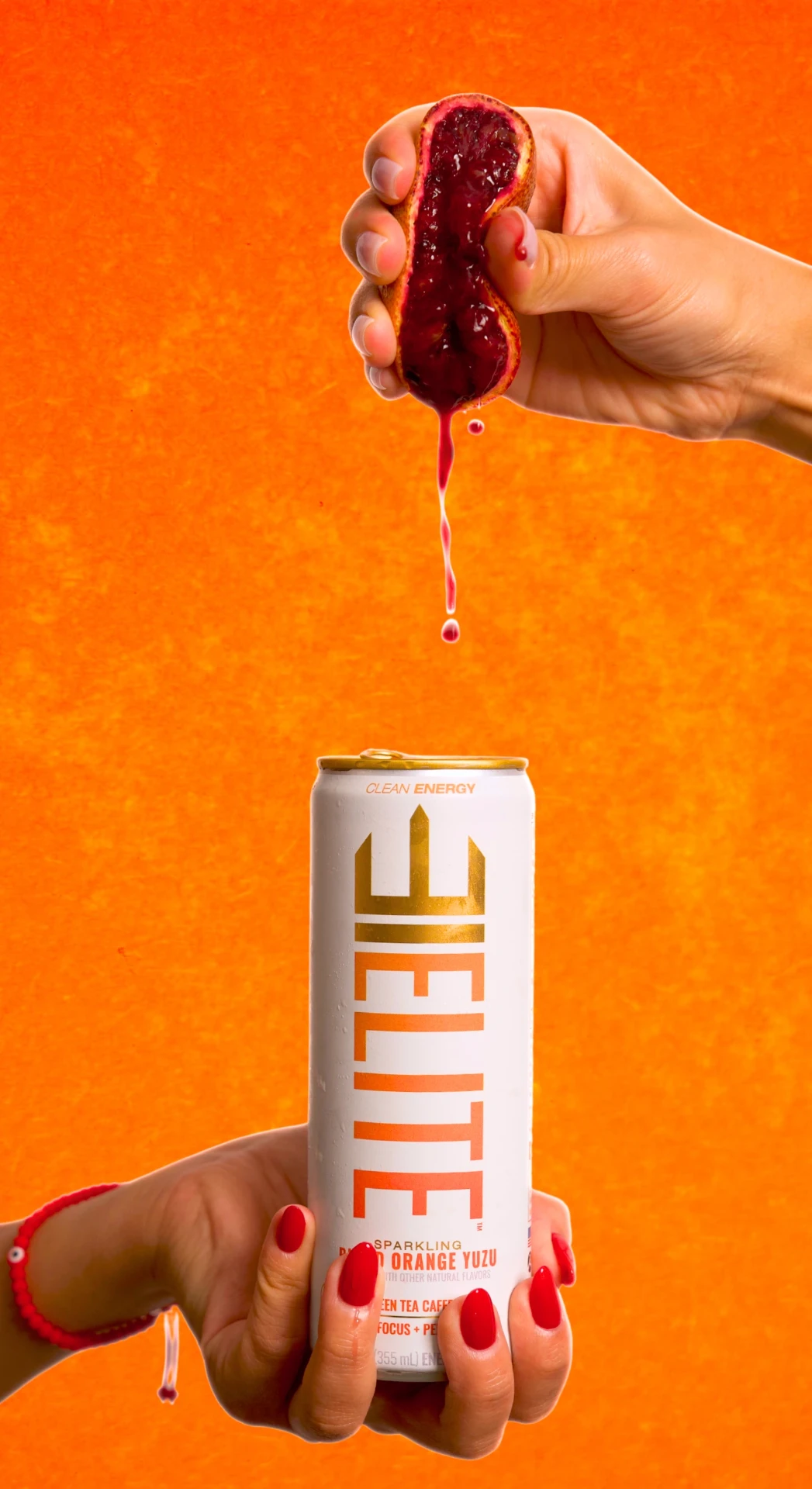
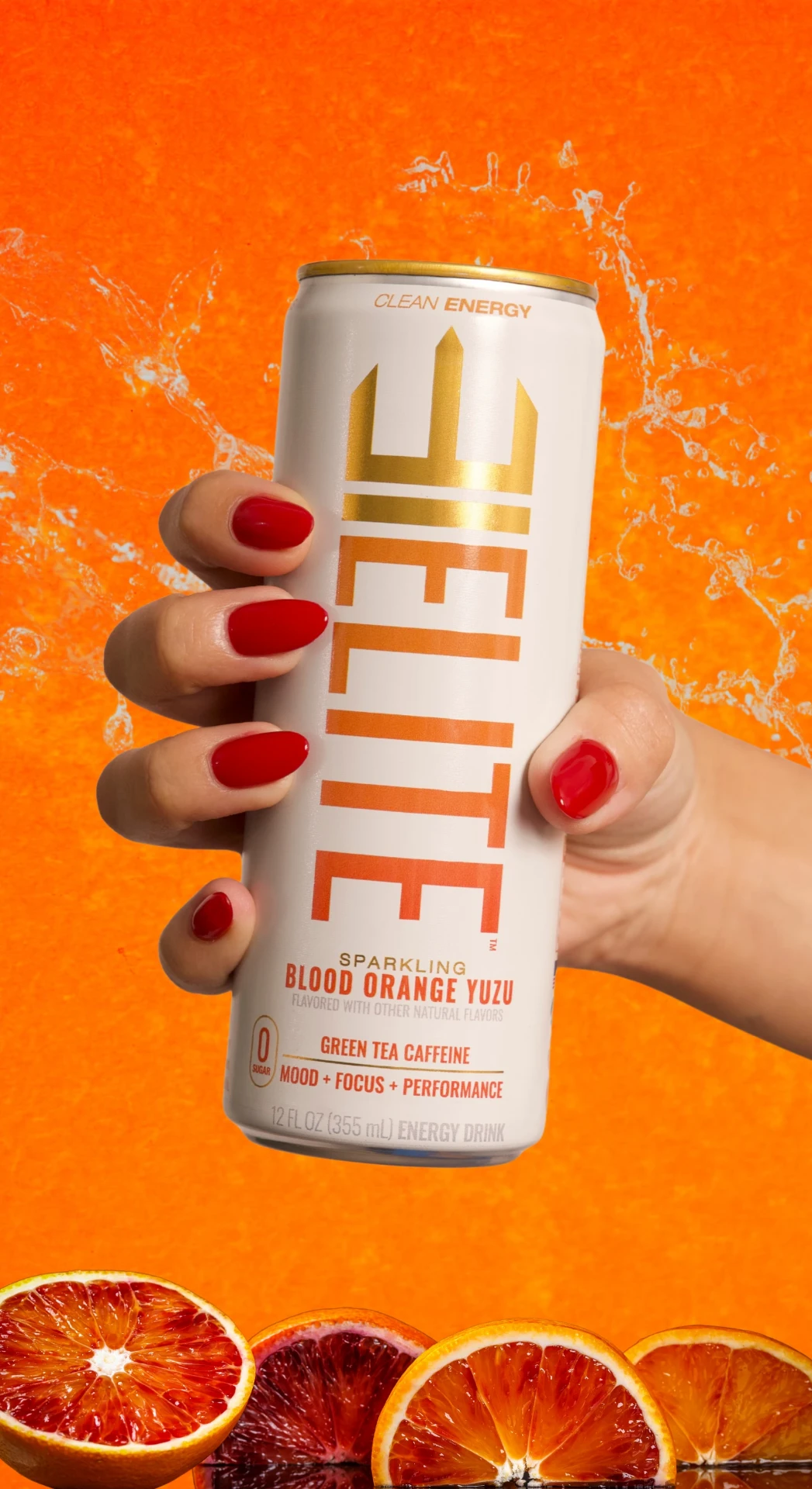
- ELITE is built around 200 mg green tea caffeine, a 1:1 L-Theanine pairing, and natural sweeteners.
- Compare four lines on the panel: caffeine source, caffeine dose, sweetener, and functional doses.
The ELITE Research Brief
Get the nootropic + adaptogenic science, decoded
One short email (or text) when we publish a new evidence-backed breakdown — dosing, studies, and what actually holds up. Plus 10% off your first order.
Monster and Red Bull define the category. Comparing them side by side with ELITE is the fastest way to see what a modern energy formula actually changes.
Side by side
| Red Bull (8.4 oz) | Monster (16 oz) | ELITE (12 oz) | |
|---|---|---|---|
| Caffeine | 80 mg | 160 mg | 200 mg |
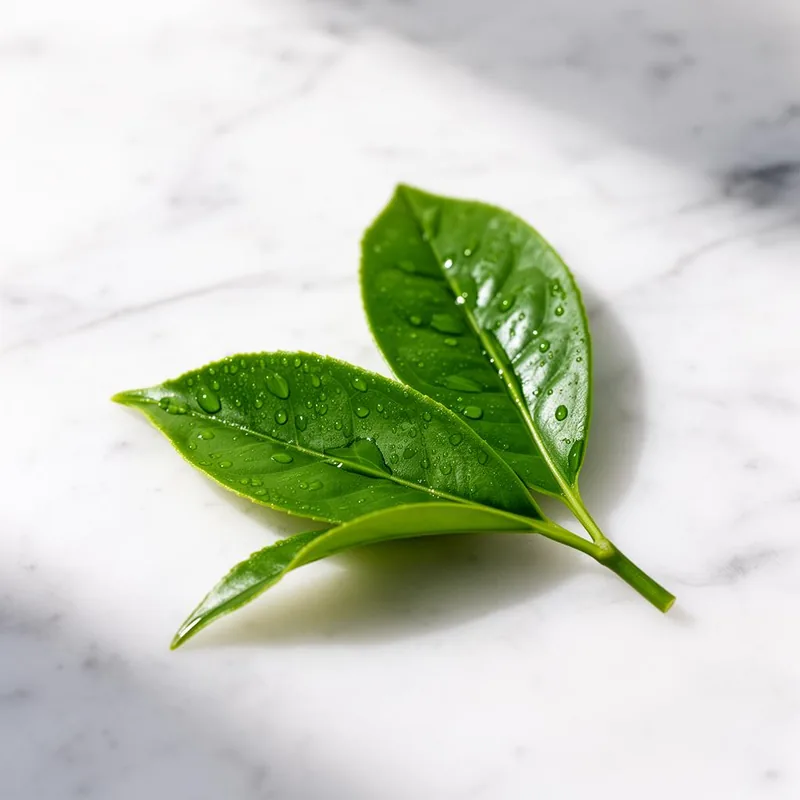
| Caffeine source | Synthetic (anhydrous) | Synthetic (anhydrous) | Green tea-derived |
| Sugar | 27 g (0 g sugarfree) | 54 g (0 g zero-sugar) | 0 g |
| Sweetener | Sugar, or aspartame + ace-K | Sugar, or sucralose + ace-K | Monk fruit + stevia |
| L-Theanine | None | None | 200 mg |
| Lion's Mane | None | None | 200 mg |
| Ashwagandha | None | None | 100 mg KSM-66® |
Caffeine: source over size
All three deliver caffeine; only one names where it comes from. Caffeine anhydrous peaks in 15–30 minutes and drops sharply. Green tea caffeine peaks at 45–60 minutes and tapers — and in ELITE it's paired 1:1 with L-Theanine, which softens the arousal spike without reducing alertness.
Sweeteners: the daily-habit variable
Original Red Bull and Monster are sugar-sweetened; their zero-sugar versions use aspartame, sucralose or acesulfame potassium. ELITE has no sugar and no artificial sweeteners — monk fruit and stevia only. Over a year of near-daily cans, that's the line on the panel with the most cumulative weight.
Functional ingredients: dosed or decorative
Taurine and B-vitamins appear across the category. What doesn't is a disclosed, research-level dose of nootropic and adaptogenic ingredients. ELITE prints all of them, in milligrams, on the can.
What's in every ELITE can
- 200 mg green tea caffeine
- 200 mg L-Theanine
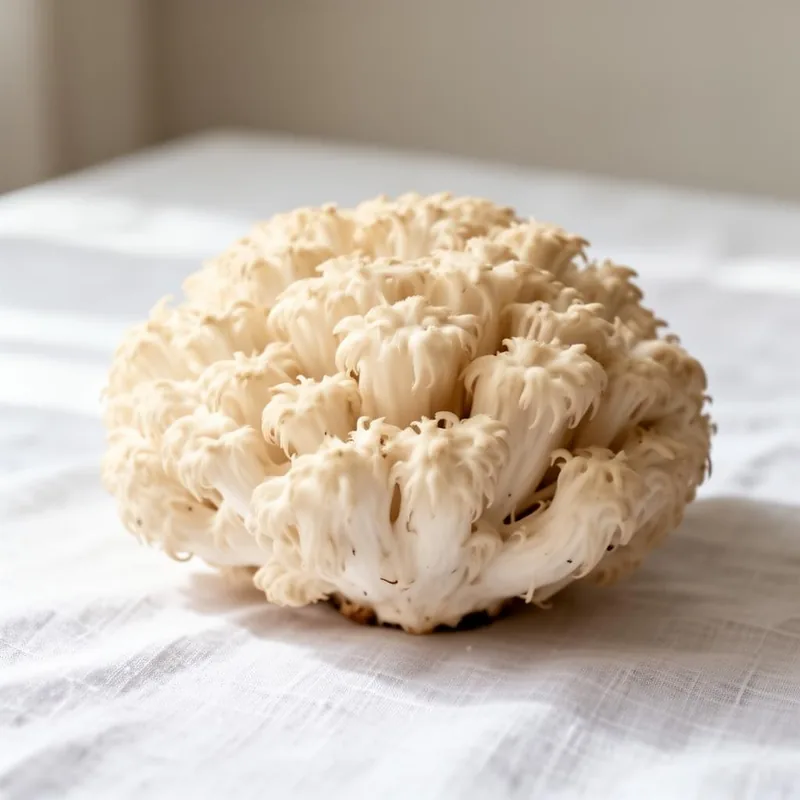
- 200 mg Lion's Mane
- 100 mg KSM-66® Ashwagandha
- 100% DV Methyl B-Complex
- 0 g sugar, naturally sweetened
Which one should you drink?
- Red Bull if you want the smallest caffeine dose and a familiar taste
- Monster if volume and flavor variety matter most
- ELITE if you drink one most days and care about caffeine source, sweeteners, and dosed functional ingredients
Red Bull® and Monster® are trademarks of their respective owners. Comparison is based on publicly published nutrition information and is provided for informational purposes.
Go deeper
The science behind the can
Keep reading the research
Want the next ingredient deep-dive first?
Join the Research Brief for study-backed guides on caffeine, L-theanine, Lion's Mane and ashwagandha — no hype, no spam. New subscribers get 10% off.
Frequently asked questions
Which has more caffeine, Monster or Red Bull?
Monster has 160 mg per 16 oz can; Red Bull has 80 mg per 8.4 oz can. Per ounce they're similar. ELITE has 200 mg of green tea caffeine per 12 oz.
How is ELITE different from Monster and Red Bull?
ELITE uses green tea-derived caffeine instead of caffeine anhydrous, is sweetened with monk fruit and stevia instead of sugar or artificial sweeteners, and adds disclosed doses of L-theanine, Lion's Mane and KSM-66® ashwagandha.
Do zero-sugar Monster and Red Bull use artificial sweeteners?
Yes — their zero-sugar versions use sweeteners such as sucralose, aspartame and acesulfame potassium. ELITE uses only monk fruit and stevia.
References & further reading
About the author
The ELITE Formulation Team
Product formulation & research team, ELITE Energy — Islamorada, FL
ELITE Nutrition Advisory Review: Reviewed for accuracy against published, peer-reviewed research and our current can formulation. Last reviewed August 14, 2026. This content is for educational purposes and is not medical advice.