The State of Energy Drinks: What the Data Says
Research shows most energy drink buyers now want cleaner labels. Here's what the data says about where the category is headed — and what to look for on a can.
Key takeaways
- Ingredient transparency now drives purchase decisions for the majority of energy drink buyers.
- Most "zero sugar" cans replace sugar with sucralose or sugar alcohols — ELITE uses monk fruit and stevia.
- Functional ingredients dosed at research-backed levels are the real differentiator, not bigger caffeine numbers.
The ELITE Research Brief
Get the nootropic + adaptogenic science, decoded
One short email (or text) when we publish a new evidence-backed breakdown — dosing, studies, and what actually holds up. Plus 10% off your first order.
The energy drink category keeps growing, but the more interesting story is what people are buying instead of the traditional formula: cleaner labels, disclosed doses, and functional ingredients that do more than wake you up.
Clean energy is no longer a niche
Survey work from the International Food Information Council has tracked a steady rise in shoppers who say ingredient transparency directly influences what they buy. For energy drinks that shift is stark: the classic formula — 300 mg+ of synthetic caffeine, artificial sweeteners, and a proprietary "energy blend" that hides every dose — is losing ground to products that print the numbers on the can.
The change is not really about caffeine. It's about trust. When a label lists a blend instead of a dose, there is no way to know whether an ingredient is present at a research-backed level or as a pinch of marketing.
The sweetener problem
Most "zero sugar" energy drinks swap sugar for sucralose, acesulfame potassium, or a sugar alcohol such as erythritol. Research published in Nature Medicine has raised questions about erythritol and cardiovascular risk markers, and the WHO has advised against using non-sugar sweeteners as a weight-management strategy.
None of that makes a single can dangerous. But it does matter if you're drinking one most days, which is exactly how energy drinks are consumed.
How ELITE is different
ELITE is sweetened with monk fruit and stevia — both plant-derived. No sucralose, no acesulfame potassium, no sugar alcohols, 0 g sugar per can.
Functional ingredients are the new frontier
Adaptogenic ingredients such as ashwagandha root, nootropics such as Lion's Mane, and amino acids such as L-Theanine have moved from supplement aisles into mainstream beverages. Buyers consistently report willingness to pay more for benefits beyond stimulation — stress resilience, focus, and recovery.
The catch is dosing. An ingredient list means nothing without a number next to it.
What's in every ELITE can
- 200 mg green tea caffeine
- 200 mg L-Theanine
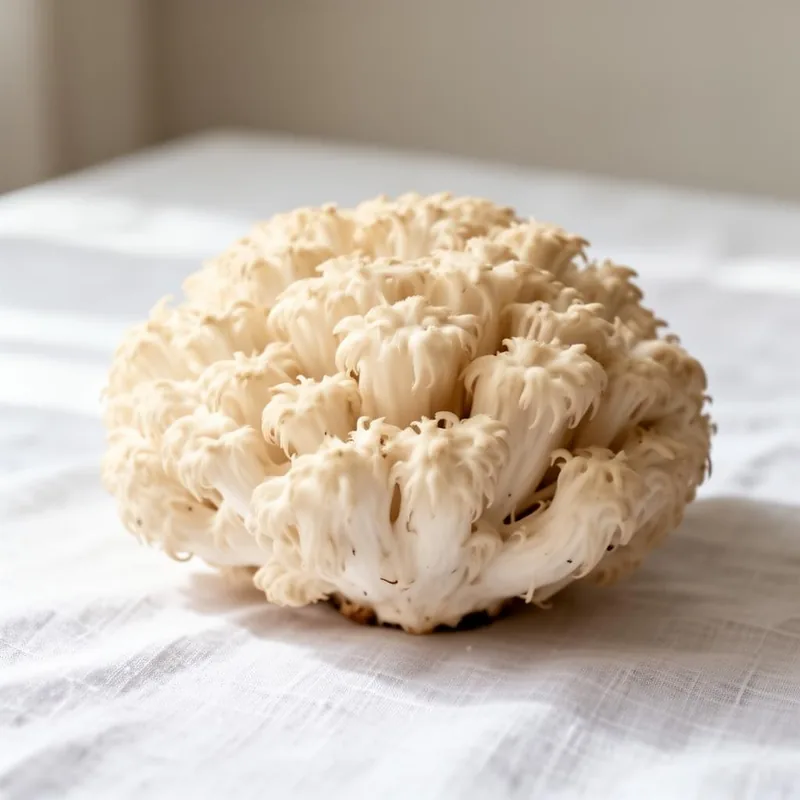
- 200 mg Lion's Mane
- 100 mg KSM-66® Ashwagandha
- 100% DV Methyl B-Complex
- 0 g sugar, naturally sweetened
The caffeine quality gap
Not all caffeine behaves the same in practice. Caffeine anhydrous, the synthetic form used in most cans, absorbs fast and drops fast. Green tea-derived caffeine arrives more gradually and — paired with L-Theanine — supports what researchers describe as calm alertness: sustained attention without the edge.
What this means for you
Over a year, an energy drink habit is hundreds of cans. The sweetener, the caffeine source, and whether the functional ingredients are dosed honestly compound over that period. Read the panel, not the front of the can.
Go deeper
The science behind the can
Keep reading the research
Want the next ingredient deep-dive first?
Join the Research Brief for study-backed guides on caffeine, L-theanine, Lion's Mane and ashwagandha — no hype, no spam. New subscribers get 10% off.
Frequently asked questions
Are zero-sugar energy drinks actually healthier?
Only if the sugar is replaced with something you're comfortable drinking daily. Many zero-sugar energy drinks use sucralose or sugar alcohols. ELITE uses monk fruit and stevia instead.
What should I look for on an energy drink label?
The caffeine source, the sweetener, whether functional ingredients are disclosed by dose rather than hidden in a proprietary blend, and whether those doses match published research.
References & further reading
About the author
The ELITE Formulation Team
Product formulation & research team, ELITE Energy — Islamorada, FL
ELITE Nutrition Advisory Review: Reviewed for accuracy against published, peer-reviewed research and our current can formulation. Last reviewed July 28, 2026. This content is for educational purposes and is not medical advice.