Energy Drinks Without Artificial Sweeteners: What to Look For
Sucralose, ace-K and sugar alcohols are in almost every zero-sugar energy drink. How to find one naturally sweetened with monk fruit and stevia instead.
Key takeaways
- Almost every zero-sugar energy drink uses sucralose, acesulfame potassium, or a sugar alcohol.
- Monk fruit and stevia are plant-derived and calorie-free — not artificial sweeteners.
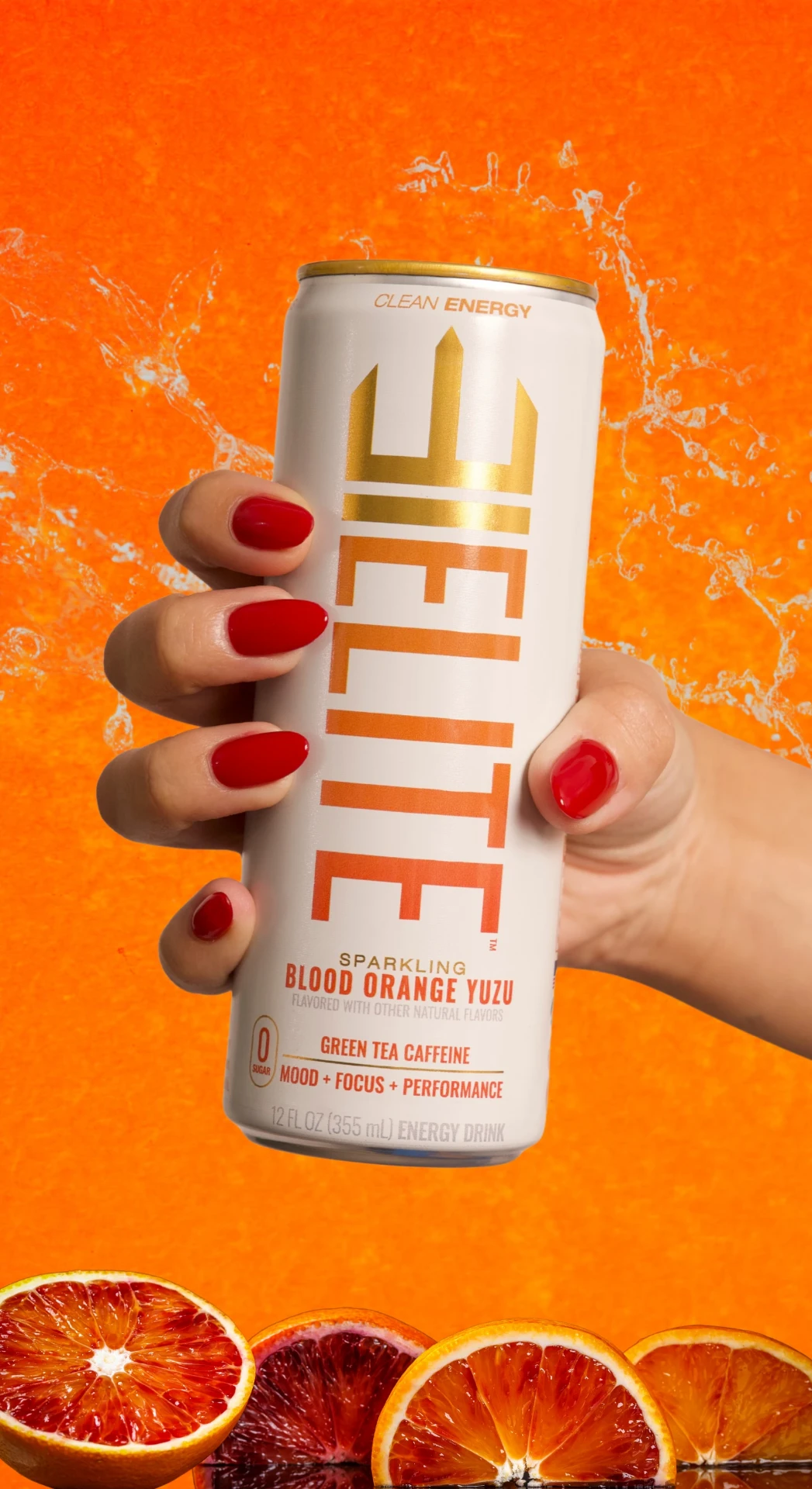
- ELITE is naturally sweetened with monk fruit and stevia at 0 g sugar per can.
The ELITE Research Brief
Get the nootropic + adaptogenic science, decoded
One short email (or text) when we publish a new evidence-backed breakdown — dosing, studies, and what actually holds up. Plus 10% off your first order.
"Zero sugar" tells you what was removed. It says nothing about what replaced it — and that's the part you're actually drinking every day.
What's usually in a zero-sugar can
- Sucralose — the most common; roughly 600× sweeter than sugar
- Acesulfame potassium (ace-K) — often blended with sucralose to mask aftertaste
- Aspartame — still widespread in diet formats
- Erythritol — a sugar alcohol; can cause GI discomfort in larger amounts
Regulators consider these safe at typical intakes. The reasonable concern is not a single can — it's that an energy drink is a daily habit, and the WHO has advised against relying on non-sugar sweeteners as a long-term strategy.
The natural alternatives
Monk fruit extract gets its sweetness from mogrosides in the luo han guo fruit. Stevia is extracted from the leaf of Stevia rebaudiana. Both are calorie-free, both are plant-derived, and blending them cancels out the aftertaste either one has on its own — which is why a well-made natural formula doesn't taste like a diet drink.
| Naturally sweetened | Artificially sweetened | |
|---|---|---|
| Sweetener | Monk fruit + stevia | Sucralose, ace-K, aspartame |
| Origin | Plant extract | Synthesized |
| Sugar alcohols | None | Erythritol common |
| Daily-habit fit | Designed for it | Advised against by WHO guidance |
How to read the label in ten seconds
- Scan the ingredient line, not the front of the can
- If you see sucralose, acesulfame potassium, aspartame or erythritol, it's artificially sweetened
- Check that functional ingredients have milligram doses, not a "blend"
- Check the caffeine source — "caffeine anhydrous" means synthetic
What's in every ELITE can
- 200 mg green tea caffeine
- 200 mg L-Theanine
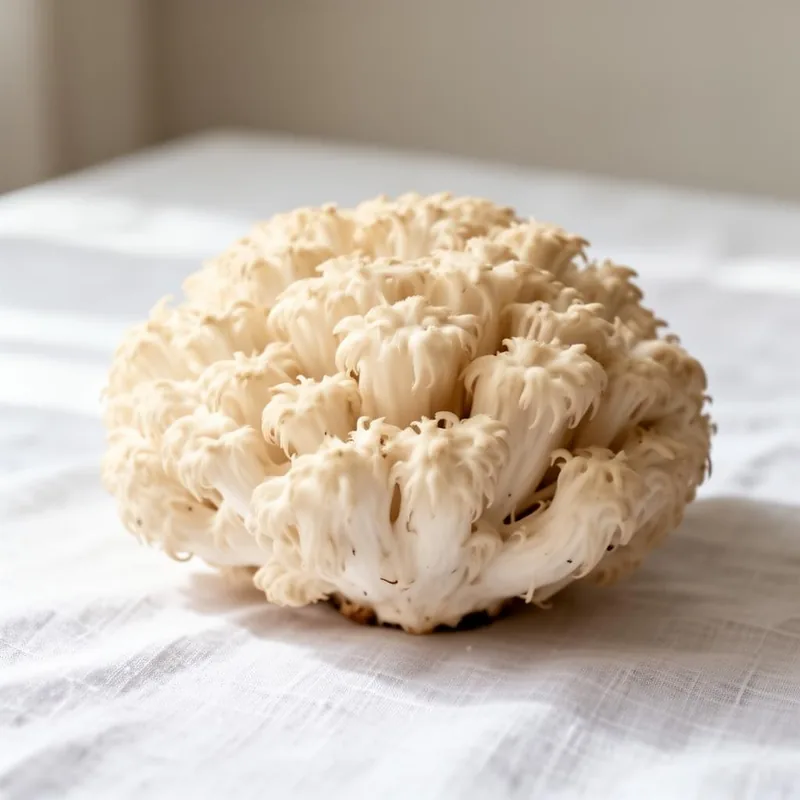
- 200 mg Lion's Mane
- 100 mg KSM-66® Ashwagandha
- 100% DV Methyl B-Complex
- 0 g sugar, naturally sweetened
Where ELITE lands
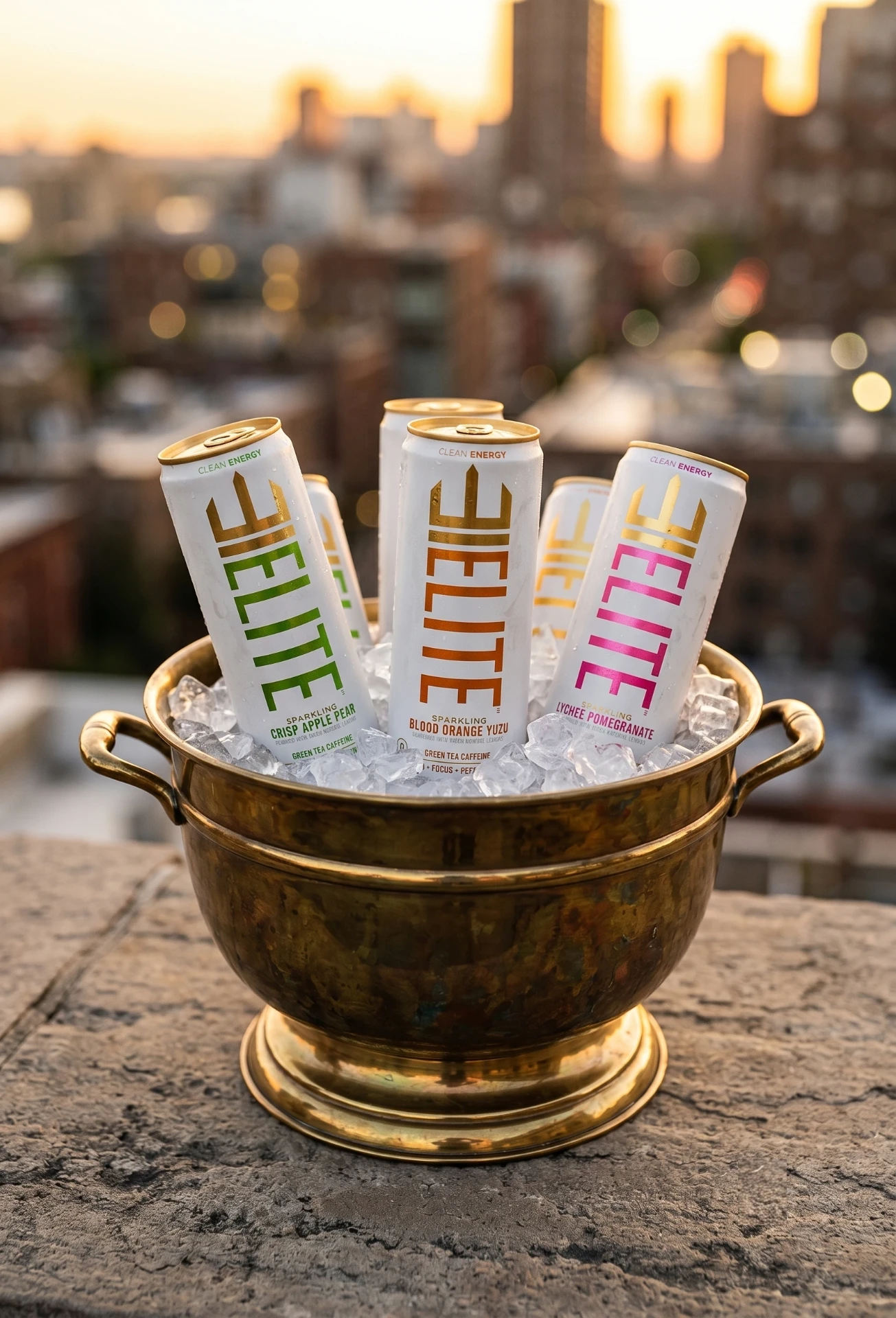
Naturally sweetened with monk fruit and stevia, zero sugar, no sucralose and no sugar alcohols — with the functional doses printed on the panel across Blood Orange Yuzu, Lychee Pomegranate and Crisp Apple Pear.
Go deeper
The science behind the can
Keep reading the research
Want the next ingredient deep-dive first?
Join the Research Brief for study-backed guides on caffeine, L-theanine, Lion's Mane and ashwagandha — no hype, no spam. New subscribers get 10% off.
Frequently asked questions
Which energy drinks have no artificial sweeteners?
Very few. Look for monk fruit or stevia on the ingredient line and the absence of sucralose, acesulfame potassium, aspartame and erythritol. ELITE is naturally sweetened with monk fruit and stevia.
Is stevia an artificial sweetener?
No — steviol glycosides are extracted from the stevia leaf. Monk fruit extract is likewise plant-derived.
References & further reading
About the author
The ELITE Formulation Team
Product formulation & research team, ELITE Energy — Islamorada, FL
ELITE Nutrition Advisory Review: Reviewed for accuracy against published, peer-reviewed research and our current can formulation. Last reviewed July 28, 2026. This content is for educational purposes and is not medical advice.