Green Tea Caffeine vs Synthetic Caffeine: Which One Actually Sustains You?
Green tea caffeine vs synthetic caffeine anhydrous: how source affects absorption, crash risk, focus duration, and why ELITE uses green tea-derived caffeine.

Key takeaways
- The caffeine molecule is identical; the delivery system is not.
- The crash has a physiological basis — adenosine rebound after a fast peak.
- A 1:1 caffeine to L-Theanine ratio is the most studied way to blunt that effect.
The ELITE Research Brief
Get the nootropic + adaptogenic science, decoded
One short email (or text) when we publish a new evidence-backed breakdown — dosing, studies, and what actually holds up. Plus 10% off your first order.
Green tea caffeine vs synthetic caffeine isn't a marketing distinction. It changes how fast caffeine enters your bloodstream, how sharply it peaks, and how hard you land when it wears off.
What is synthetic caffeine?
Synthetic caffeine — listed as caffeine anhydrous — is produced from chemical precursors and purified into a white powder that dissolves instantly. Because it's isolated and highly bioavailable, blood levels spike within 15–30 minutes, then fall just as quickly.
What is green tea caffeine?
Green tea caffeine is the same alkaloid, sourced from the leaf, and it never arrives alone. It comes with L-Theanine and tea polyphenols, which slow absorption and modulate the stimulant effect into what researchers call calm alertness.
| Green tea caffeine | Synthetic caffeine | |
|---|---|---|
| Peak time | 45–60 minutes | 15–30 minutes |
| Curve shape | Rounded, sustained | Spike and drop |
| Jitters / anxiety | Buffered by L-Theanine | More commonly reported |
| Crash | Noticeably softer | Pronounced |
| Cost to manufacturer | High | Very low |
The crash isn't in your head
When caffeine floods your system quickly it blocks adenosine receptors faster than your body adapts. As the caffeine clears, adenosine rushes back — often binding more receptors than before — and that rebound is the fatigue and brain fog people associate with energy drinks.
A slower rise gives the nervous system time to adjust, and L-Theanine takes the edge off the peak. Same molecule, very different afternoon.
Why brands still use synthetic caffeine
Price. Caffeine anhydrous costs a fraction of tea-derived caffeine, which keeps margins intact on a $2 can. The result is a product that has to be re-dosed to keep working.
What's in every ELITE can
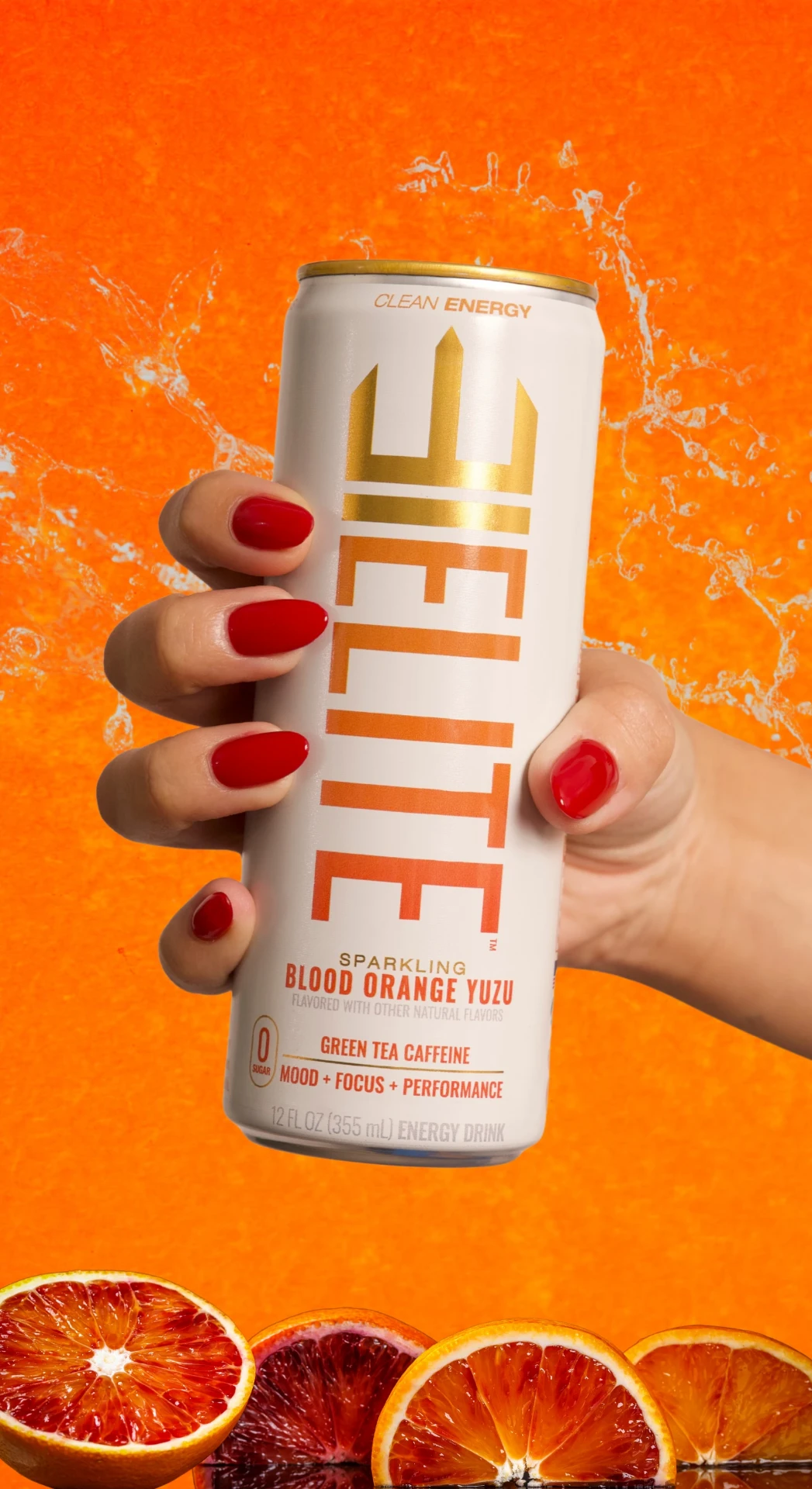
- 200 mg green tea caffeine
- 200 mg L-Theanine
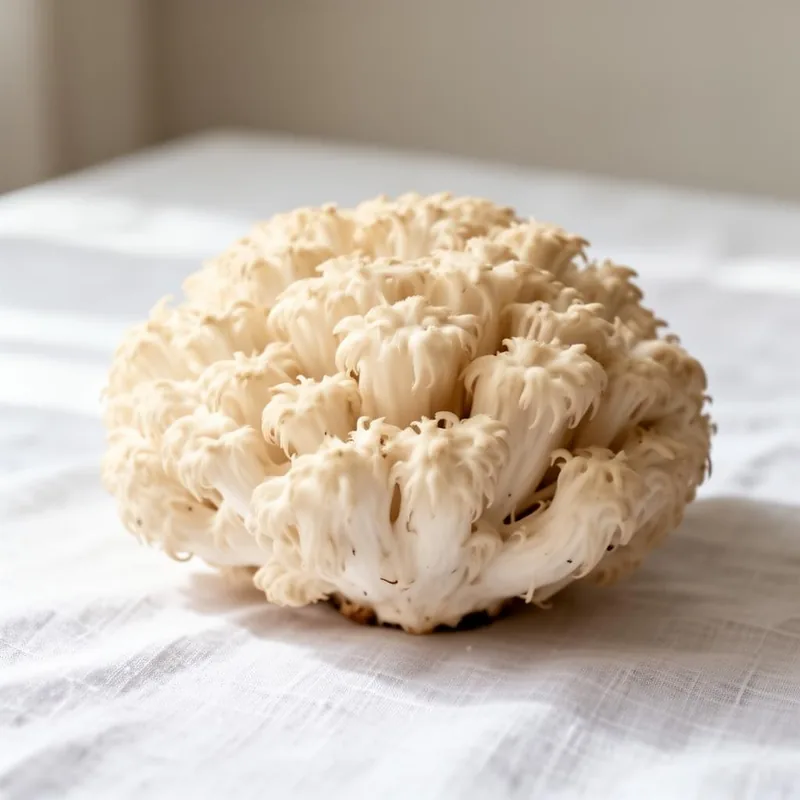
- 200 mg Lion's Mane
- 100 mg KSM-66® Ashwagandha
- 100% DV Methyl B-Complex
- 0 g sugar, naturally sweetened
The bottom line
Chemically, caffeine is caffeine. Practically, green tea caffeine arrives with a buffer and a slower release, and synthetic caffeine arrives alone and all at once. If you want a jolt, anhydrous does that. If you want to still be working at 4 p.m., the source matters.
Go deeper
The science behind the can
Keep reading the research
Want the next ingredient deep-dive first?
Join the Research Brief for study-backed guides on caffeine, L-theanine, Lion's Mane and ashwagandha — no hype, no spam. New subscribers get 10% off.
Frequently asked questions
Does green tea caffeine cause less of a crash?
In practice, yes — the slower absorption curve and the L-theanine that accompanies it produce a gentler comedown than an equivalent dose of caffeine anhydrous.
Is caffeine anhydrous bad for you?
It isn't unsafe at normal doses. It simply peaks faster and harder, which is what most people describe as jitters followed by a crash.
References & further reading
- Baba et al., Nutritional Neuroscience (2021) — caffeine + L-theanine meta-analysis
- Nehlig, Pharmacological Reviews — caffeine, adenosine receptors and alertness
- FDA, Spilling the Beans: How Much Caffeine Is Too Much?
About the author
The ELITE Formulation Team
Product formulation & research team, ELITE Energy — Islamorada, FL
ELITE Nutrition Advisory Review: Reviewed for accuracy against published, peer-reviewed research and our current can formulation. Last reviewed July 28, 2026. This content is for educational purposes and is not medical advice.