Natural vs. Synthetic Caffeine: What's Actually in Your Energy Drink
Most energy drinks use lab-made caffeine anhydrous. How green tea caffeine differs, why it matters for focus, and what research says about the crash.
Key takeaways
- Caffeine anhydrous is lab-produced and peaks in 15–30 minutes; green tea caffeine peaks later and more gently.
- Green tea caffeine arrives alongside L-Theanine, which softens the stimulant edge.
- ELITE uses 200 mg green tea caffeine with 200 mg L-Theanine — a 1:1 pairing.
The ELITE Research Brief
Get the nootropic + adaptogenic science, decoded
One short email (or text) when we publish a new evidence-backed breakdown — dosing, studies, and what actually holds up. Plus 10% off your first order.
If you've ever cracked an energy drink and felt your heart race within minutes, you've met synthetic caffeine. The difference between that and a steady climb starts with where the caffeine came from.
What is synthetic caffeine?
Most energy drinks rely on caffeine anhydrous — a dehydrated, lab-produced form of caffeine originally developed for pharmaceutical use. It's isolated and highly soluble, so it absorbs quickly and peaks in the bloodstream within roughly 15–30 minutes. That fast rise is what people describe as jitters, and the equally fast fall is the crash.
The green tea difference
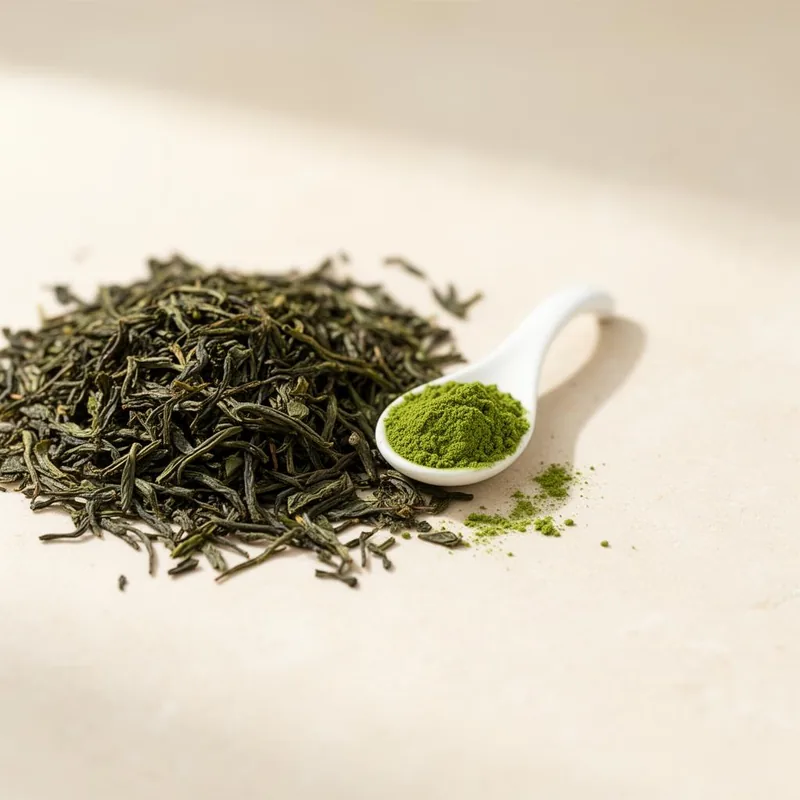
Caffeine in Camellia sinensis never appears alone. It sits in a matrix of plant compounds, most importantly L-Theanine, an amino acid that crosses the blood–brain barrier and increases alpha-wave activity — the brain state associated with relaxed, focused attention.
A 2021 meta-analysis in Nutritional Neuroscience found that caffeine combined with L-Theanine improved attention and task switching, and reduced perceived stress, more effectively than caffeine on its own.
| Green tea caffeine | Caffeine anhydrous | |
|---|---|---|
| Source | Extracted from tea leaves | Synthesized in a lab |
| Time to peak | Roughly 45–60 minutes | Roughly 15–30 minutes |
| Energy curve | Gradual rise, gradual taper | Sharp spike, sharp drop |
| Comes with | L-Theanine and polyphenols | Nothing — isolated powder |
| Typical experience | Calm alertness | Jitters, then a crash |
Why the industry defaults to synthetic
Cost. Caffeine anhydrous is a fraction of the price of tea-derived caffeine. For mass-market brands competing on shelf price, the math is hard to argue with — the tradeoff just gets passed to whoever drinks it.
ELITE's approach
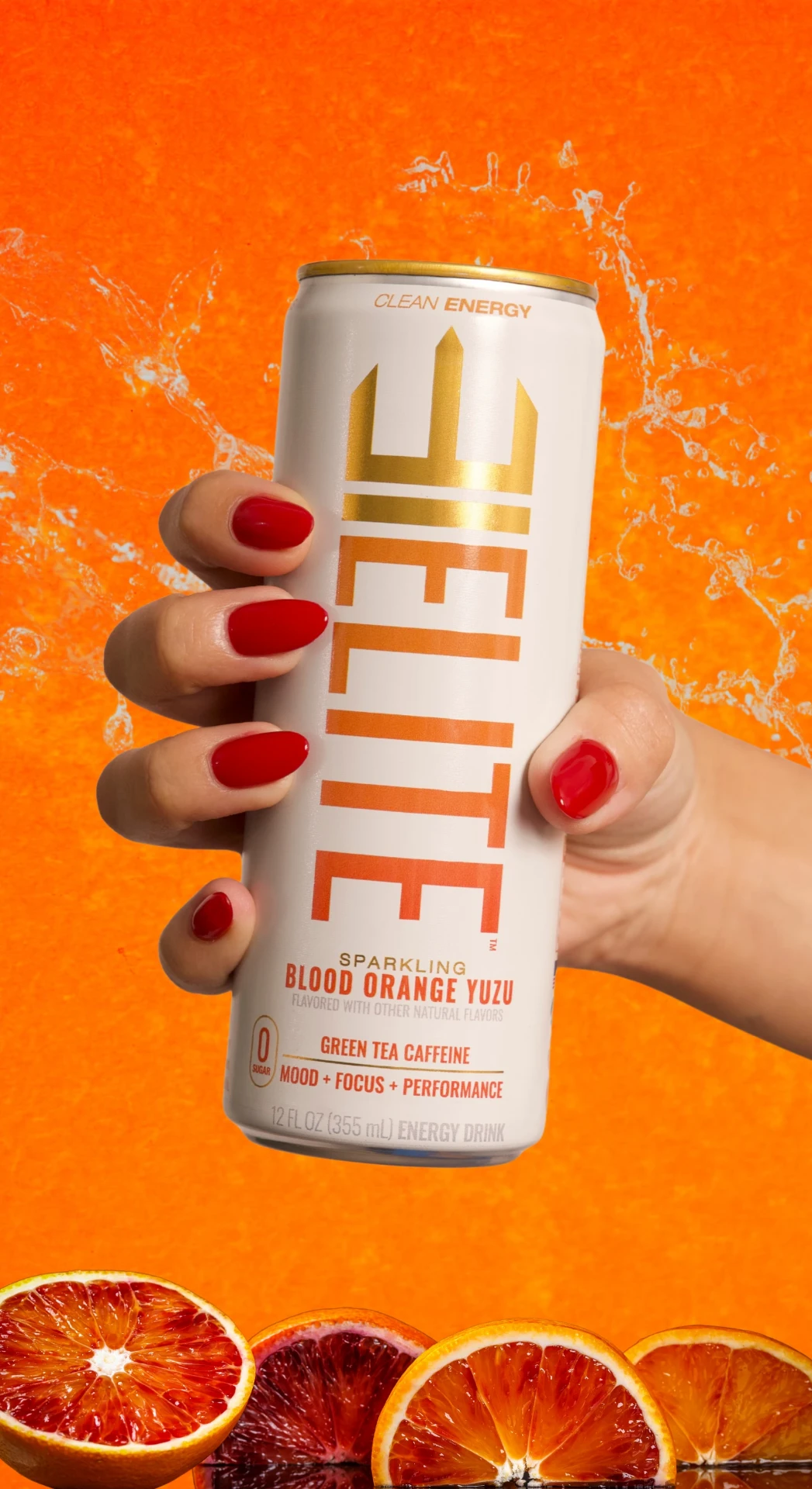
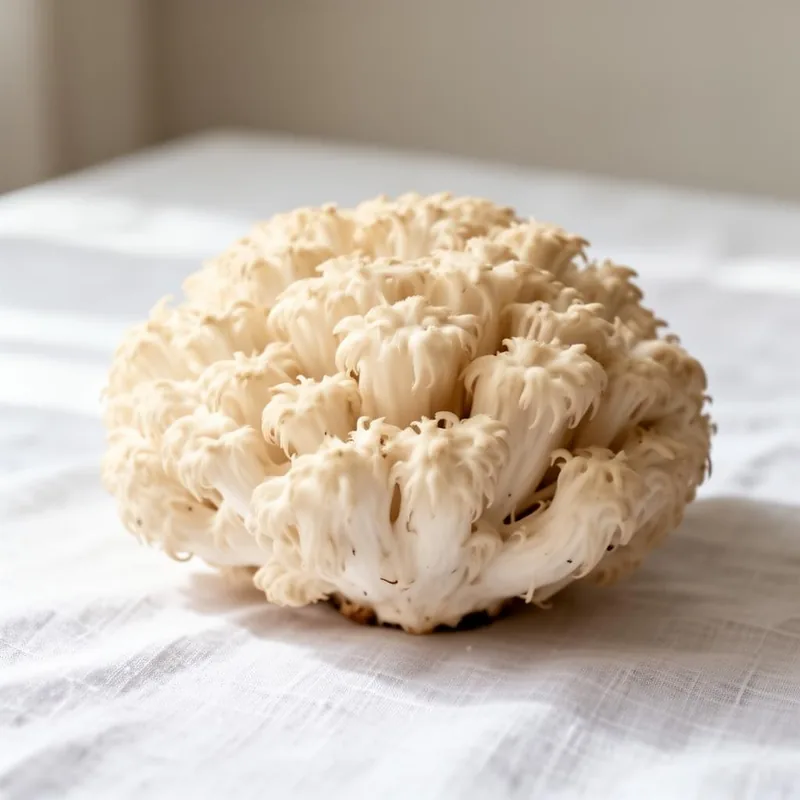
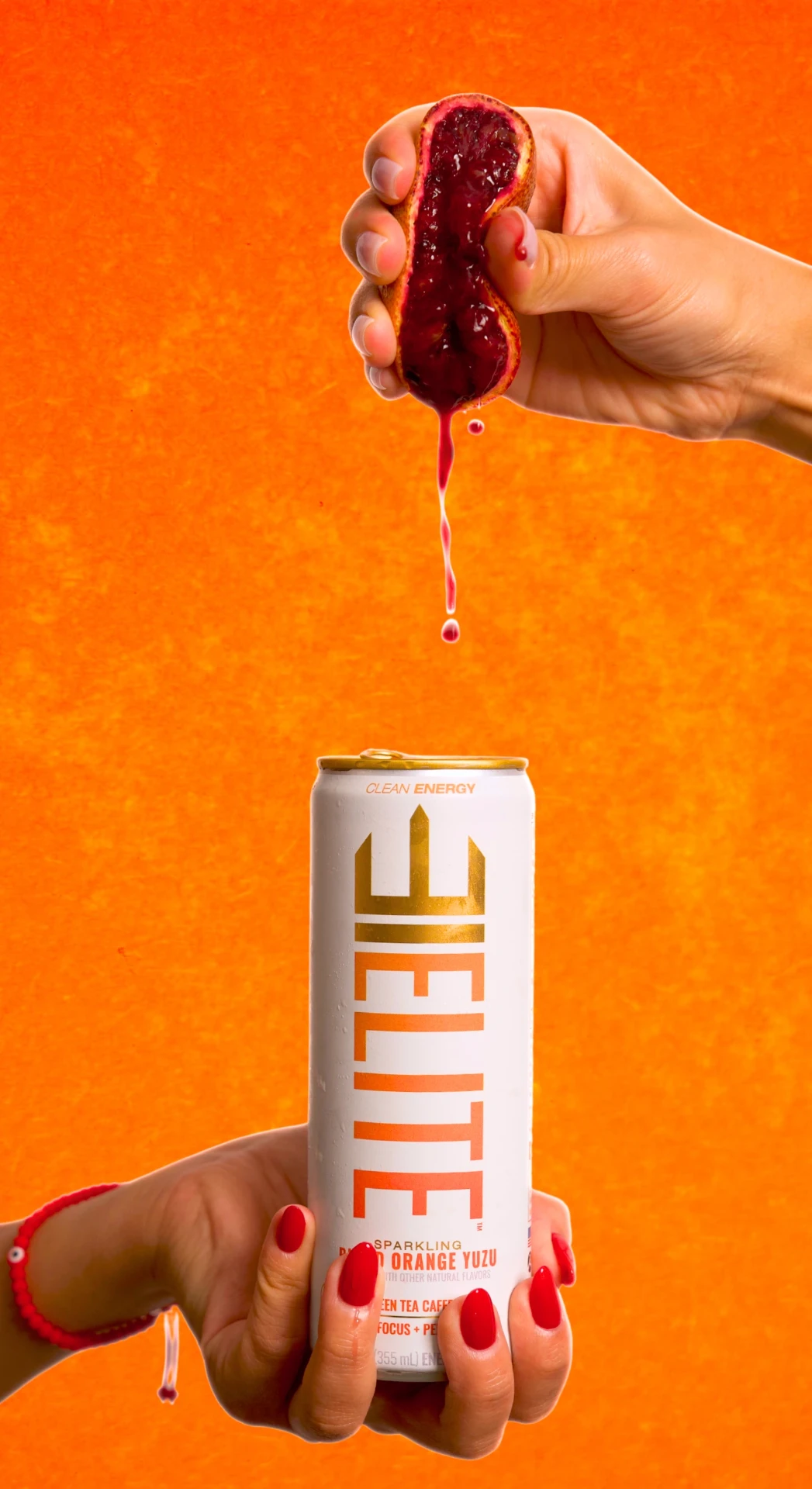
Every can uses 200 mg of green tea-derived caffeine with 200 mg of L-Theanine, plus 200 mg Lion's Mane, 100 mg KSM-66® Ashwagandha and a 100% DV methylated B-complex.
The bottom line
If your energy drink makes you feel like you need another one two hours later, that's not a coincidence. The source of the caffeine — and what it's paired with — decides whether you're fueling your day or borrowing from it.
Go deeper
The science behind the can
Keep reading the research
Want the next ingredient deep-dive first?
Join the Research Brief for study-backed guides on caffeine, L-theanine, Lion's Mane and ashwagandha — no hype, no spam. New subscribers get 10% off.
Frequently asked questions
Is natural caffeine chemically different from synthetic caffeine?
The molecule is identical. What differs is the delivery: green tea caffeine arrives with L-theanine and other plant compounds, which slows absorption and softens the peak.
How much caffeine is in ELITE Energy?
200 mg of green tea-derived caffeine per 12 oz can, paired with 200 mg of L-theanine.
References & further reading
- Baba et al., Nutritional Neuroscience (2021) — caffeine + L-theanine and attention
- Owen et al., Nutritional Neuroscience — combined effects of L-theanine and caffeine on cognitive performance
- FDA, Spilling the Beans: How Much Caffeine Is Too Much?
About the author
The ELITE Formulation Team
Product formulation & research team, ELITE Energy — Islamorada, FL
ELITE Nutrition Advisory Review: Reviewed for accuracy against published, peer-reviewed research and our current can formulation. Last reviewed July 28, 2026. This content is for educational purposes and is not medical advice.