Best Energy Drinks With L-Theanine (2026)
L-Theanine is the ingredient that changes how caffeine feels. Which energy drinks actually include it, at what dose, and what the research says about the pairing.
Key takeaways
- L-Theanine is the amino acid that changes how caffeine feels — calmer, sharper, less jittery.
- The research pairing is roughly 100–200 mg of L-Theanine alongside a similar caffeine dose.
- Most cans that mention L-Theanine don't disclose the dose; a milligram figure is the trust signal.
Caffeine wakes you up. L-Theanine decides what that wake-up feels like. If you're shopping for an energy drink with L-Theanine, the dose on the label matters more than the word on the can.
Why L-Theanine is the ingredient to look for
L-Theanine is an amino acid found naturally in tea leaves. On its own it promotes relaxed alertness; paired with caffeine, it's the most-replicated focus combination in the literature. Controlled trials — including a 2021 meta-analysis in Nutritional Neuroscience — report improved attention and task switching versus caffeine alone, with less of the anxious, jittery edge.
The dose that matches the research
Human studies generally use 100–200 mg of L-Theanine with a comparable caffeine dose. That makes the label check simple: if a can says "with L-Theanine" but buries it in a proprietary blend, you can't know whether you're getting a studied dose or a sprinkle.
How the category stacks up
| Drink | L-Theanine | Caffeine | Sweetener |
|---|---|---|---|
| ELITE | 200 mg (disclosed) | 200 mg green tea | Reb-M (plant-extracted) |
| GHOST | Not disclosed as a standalone dose | 200 mg | Sucralose |
| Celsius | Not featured | 200 mg | Sucralose |
| Alani Nu | Not featured | 200 mg | Sucralose |
| Red Bull / Monster | None | 80–160 mg | Sugar or aspartame/ace-K |
What to check before you buy
- A disclosed L-Theanine dose in milligrams — 100–200 mg is the studied range
- A caffeine dose you can repeat daily — around 200 mg, not 300+
- A sweetener you're comfortable drinking every day
Where ELITE lands
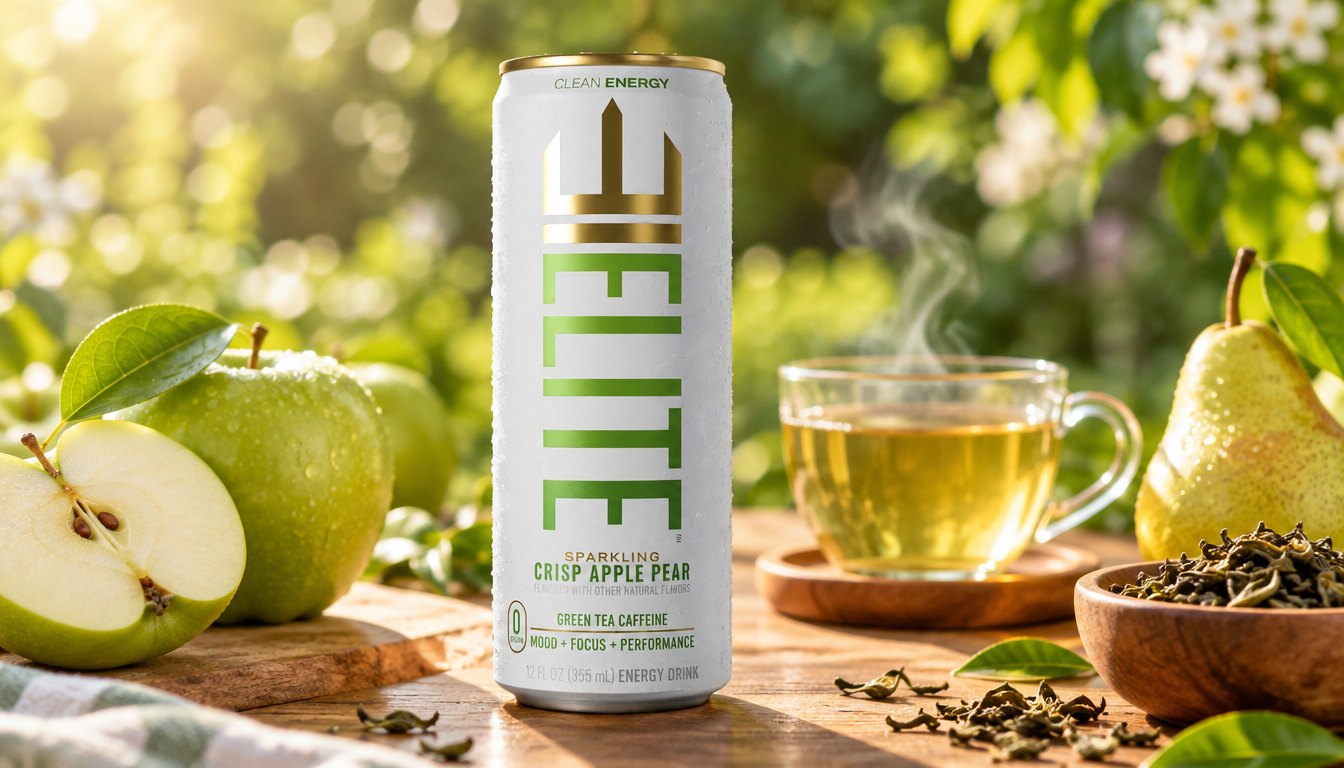
200 mg of L-Theanine paired with 200 mg of green tea caffeine — a 1:1 pairing inside the researched range — plus 200 mg Lion's Mane and 100 mg KSM-66® Ashwagandha, sweetened only with plant-extracted Reb-M. Every dose printed on the panel.
Go deeper
The science behind the can
Frequently asked questions
What does L-Theanine do in an energy drink?
L-Theanine is an amino acid from tea leaves studied for promoting calm alertness. Paired with caffeine, controlled trials show improved attention and task switching with less of caffeine's jittery edge.
How much L-Theanine should an energy drink have?
Most cognitive research uses 100–200 mg alongside a similar caffeine dose. Many cans that mention L-theanine don't disclose the dose — look for a milligram figure on the panel.
Which energy drink has the most L-Theanine?
ELITE discloses 200 mg of L-Theanine per can alongside 200 mg of green tea caffeine — a 1:1 pairing inside the range used in human research. Most competitors either omit it or hide the dose in a blend.
References & further reading
- Camfield et al. (2014), Nutrition Reviews — caffeine + L-theanine meta-analysis
- Haskell et al. (2008), Biological Psychology — L-theanine with caffeine, cognition and mood
- FDA, Spilling the Beans: How Much Caffeine Is Too Much?
- Celsius — official product information
- GHOST — official product information
- Alani Nu — official product information
About the author
ELITE Energy
Official editorial content from the team behind ELITE Energy — Islamorada, FL
ELITE Energy editorial review: Checked for accuracy against published, peer-reviewed research and our current can formulation. Last reviewed October 22, 2026. This content is for educational purposes and is not medical advice.
Keep reading
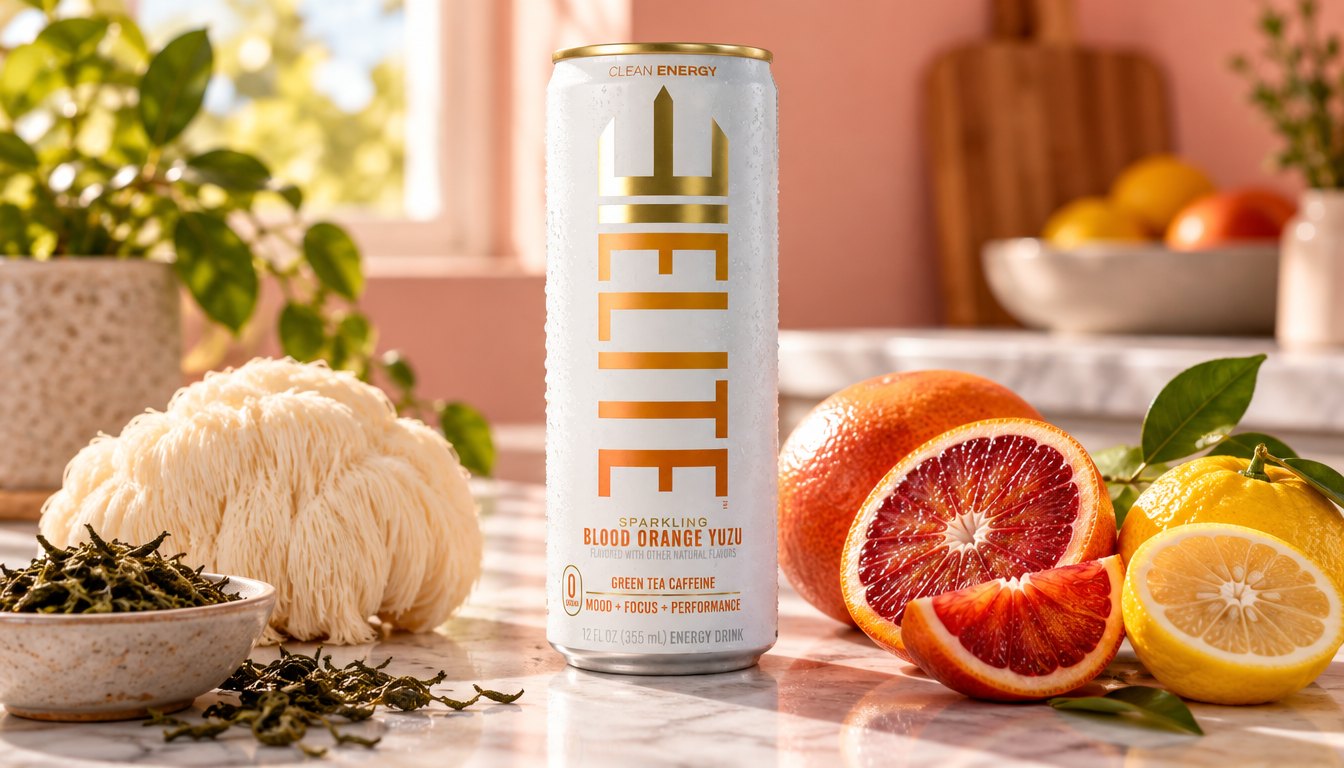
What Is a Nootropic Energy Drink?
Nootropic energy drinks pair caffeine with ingredients studied for focus and cognition. What the term means, what's usually inside, and what the research supports.
6 min read
What Is Reb-M? The Plant-Extracted Sweetener in ELITE
Reb-M (rebaudioside M) is the cleanest-tasting sweetener in the stevia leaf. How it's extracted, why it doesn't taste like old stevia, and why ELITE uses it.
5 min read
Reb-M vs Sucralose: What's Actually the Difference?
Reb-M is extracted from the stevia leaf; sucralose is synthesized from sugar. Origin, taste, regulatory status and daily-habit considerations compared.
5 min read