Ingredient Transparency: Why ELITE Prints Every Dose on the Can
Proprietary blends let brands hide underdosed formulas behind impressive ingredient lists. Why ELITE discloses every milligram — and how to read any label the same way.
Key takeaways
- Proprietary blends let brands list impressive ingredients at decorative doses.
- Effective research doses are often larger than entire blends — undisclosed means unverifiable.
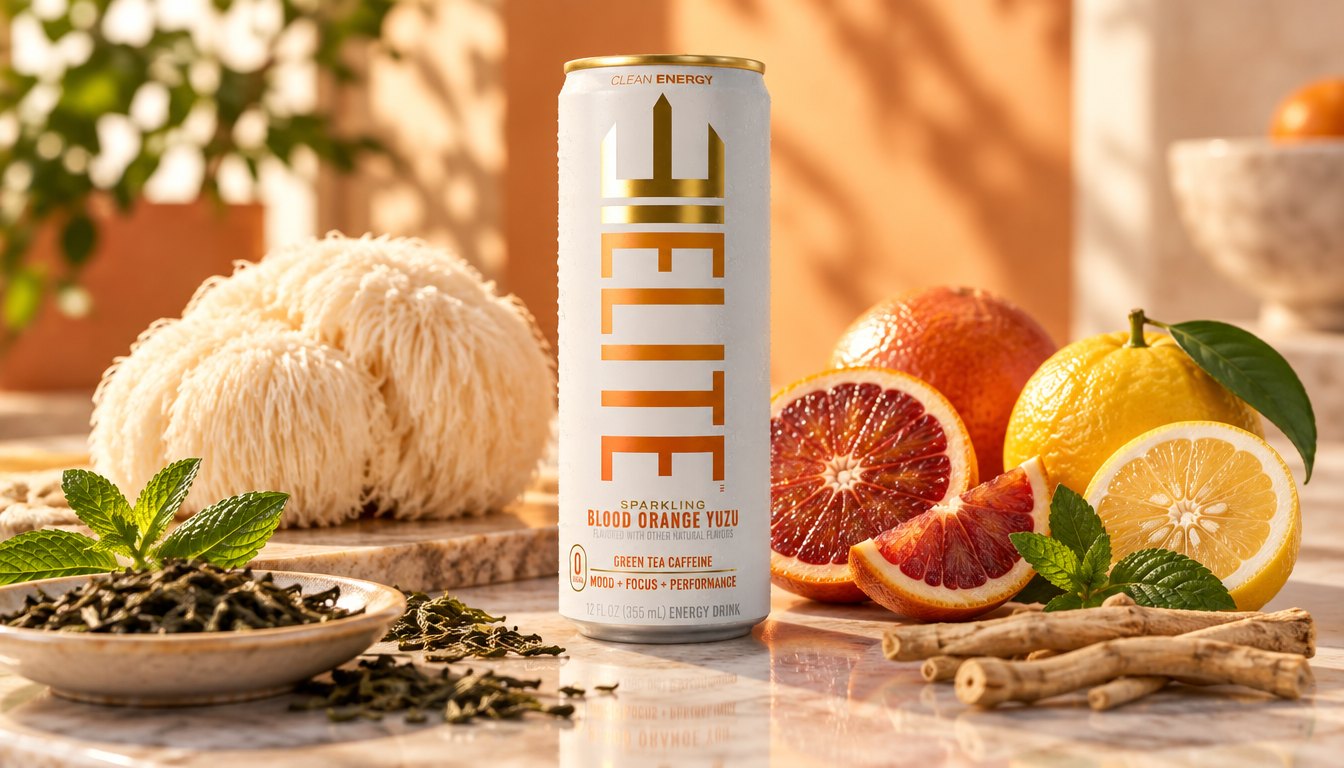
- ELITE prints every milligram on the panel: caffeine, L-Theanine, Lion's Mane, KSM-66®, B-complex, sweetener.
The most important line on an energy drink label isn't an ingredient — it's whether the brand tells you how much of each one you're drinking. This is why ELITE prints every dose, and how to read any other can the same way.
The proprietary blend trick
A "1,200 mg Energy & Focus Blend" containing caffeine, taurine, ginseng, and three nootropics sounds substantial — until you do the math. If 200 mg of it is caffeine, five ingredients share the remaining gram, and the exciting names at the end of the list may be present at doses far below anything studied. The blend exists precisely so you can't check.
Why doses matter more than ingredient lists
Research is dose-specific. The caffeine + L-Theanine trials used real milligram amounts; the Lion's Mane and KSM-66® Ashwagandha trials ran for weeks at disclosed daily doses. An ingredient without a dose is a claim without evidence — presence is not efficacy.
The ten-second transparency check
- Is the caffeine dose printed? (It should be a number, not a vibe.)
- Does every functional ingredient carry its own milligram figure?
- Is the sweetener named — and is it one you want daily?
- Are branded, researched forms specified (KSM-66®, methylated B12) or generic?
What full disclosure looks like
| Ingredient | ELITE (per 12 oz can) |
|---|---|
| Caffeine (from green tea) | 200 mg |
| L-Theanine | 200 mg |
| Lion's Mane | 200 mg |
| KSM-66® Ashwagandha | 100 mg |
| Methylated B-complex | 100% DV |
| Sugar | 0 g — sweetened with plant-extracted Reb-M |
| Calories | 10 |
That's the whole formula, on the can, in numbers. Transparency isn't a marketing position — it's the only way you can verify one.
What's in every ELITE can
- 200 mg green tea caffeine
- 200 mg L-Theanine
- 200 mg Lion's Mane
- 100 mg KSM-66® Ashwagandha
- 100% DV Methyl B-Complex
- 0 g sugar, naturally sweetened
Go deeper
The science behind the can
Frequently asked questions
What is a proprietary blend?
A label trick: several ingredients grouped under one combined weight (like a '1,000 mg energy blend'), so no single dose is disclosed. Effective research doses are often larger than the entire blend — meaning the ingredients may be present in name only.
How do I know if an energy drink is underdosed?
If the label doesn't print milligrams per ingredient, you can't know — and that's the point of the blend. Transparency is the trust signal: brands with real doses have every reason to print them.
What does ELITE disclose?
Everything: 200 mg green tea caffeine, 200 mg L-Theanine, 200 mg Lion's Mane, 100 mg KSM-66® Ashwagandha, a 100% DV methylated B-complex, 0 g sugar, 10 calories, and plant-extracted Reb-M as the only sweetener.
References & further reading
- FDA — dietary supplement labeling and proprietary blend rules
- Camfield et al. (2014), Nutrition Reviews — caffeine + L-theanine meta-analysis
- Chandrasekhar et al. (2012), Indian Journal of Psychological Medicine — KSM-66® ashwagandha and stress
About the author
ELITE Energy
Official editorial content from the team behind ELITE Energy — Islamorada, FL
ELITE Energy editorial review: Checked for accuracy against published, peer-reviewed research and our current can formulation. Last reviewed October 22, 2026. This content is for educational purposes and is not medical advice.
Keep reading
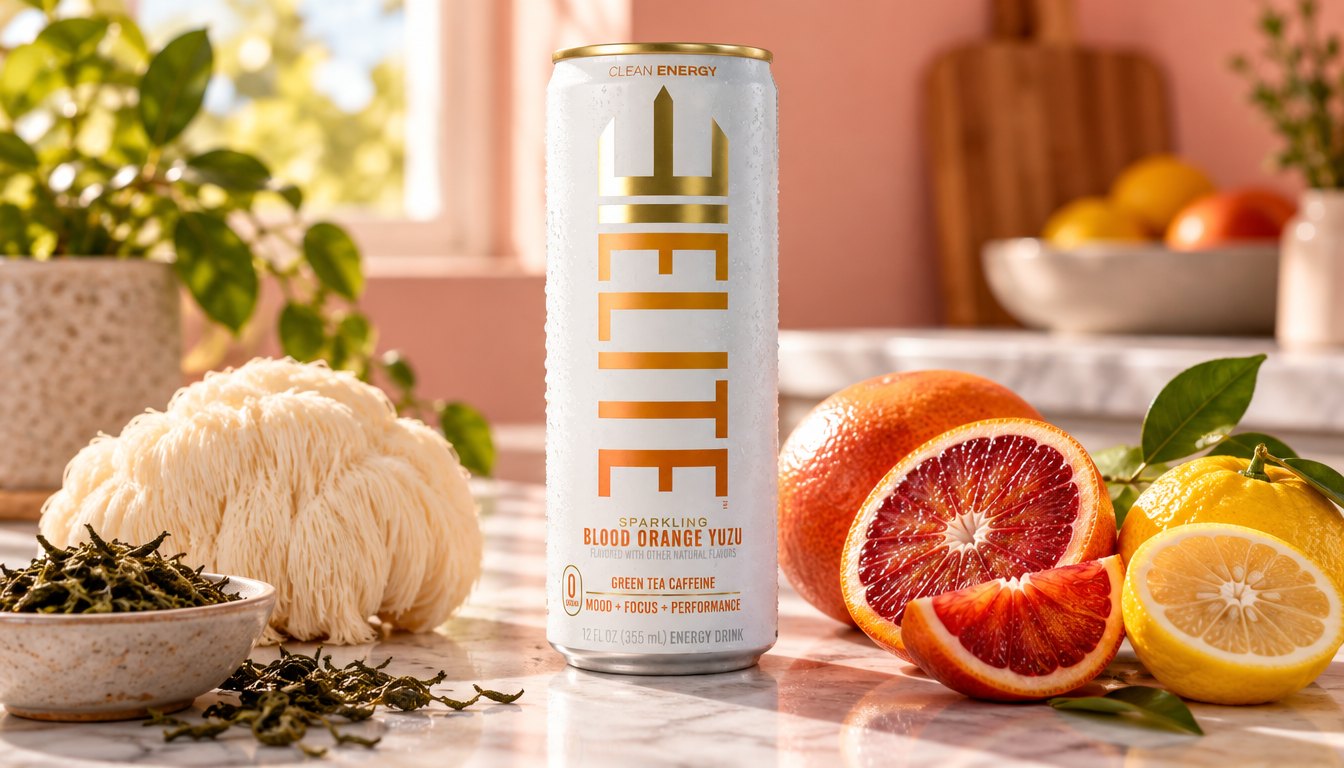
What Is a Nootropic Energy Drink?
Nootropic energy drinks pair caffeine with ingredients studied for focus and cognition. What the term means, what's usually inside, and what the research supports.
6 min read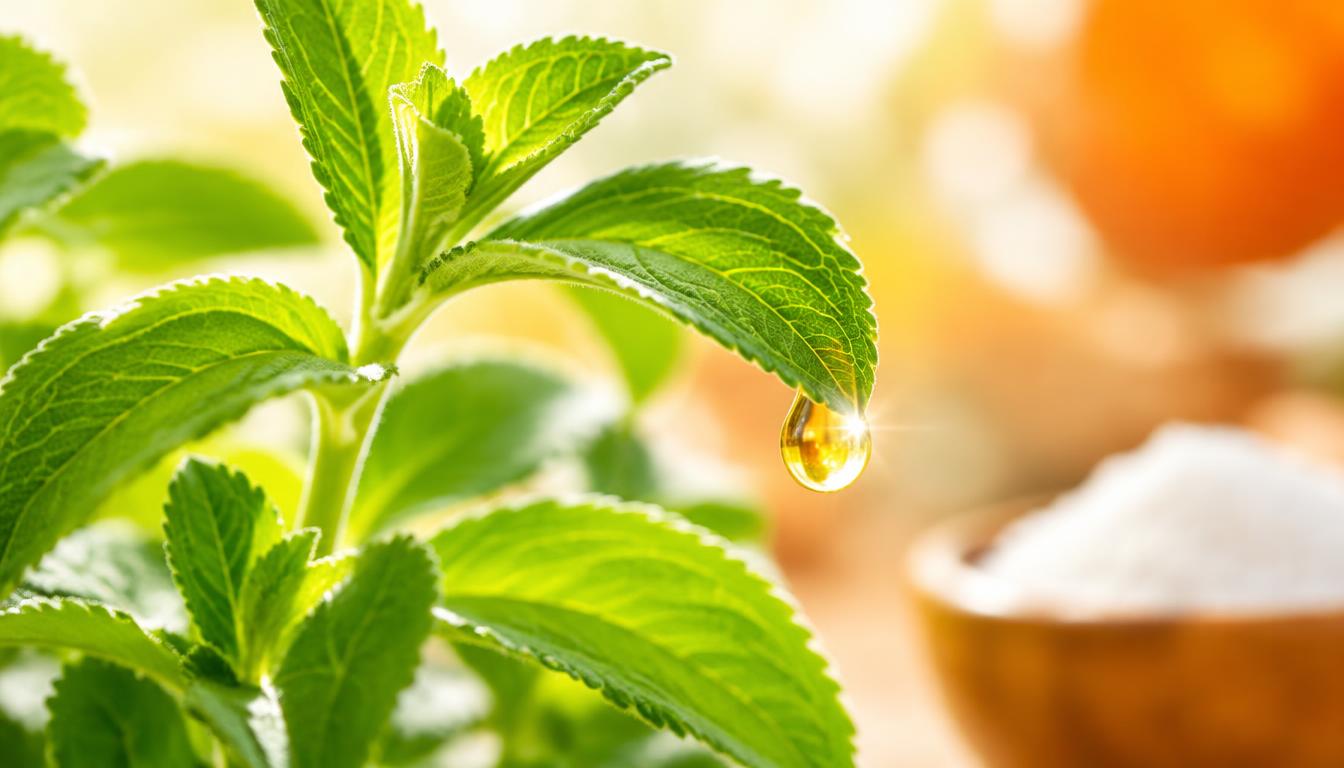
What Is Reb-M? The Plant-Extracted Sweetener in ELITE
Reb-M (rebaudioside M) is the cleanest-tasting sweetener in the stevia leaf. How it's extracted, why it doesn't taste like old stevia, and why ELITE uses it.
5 min read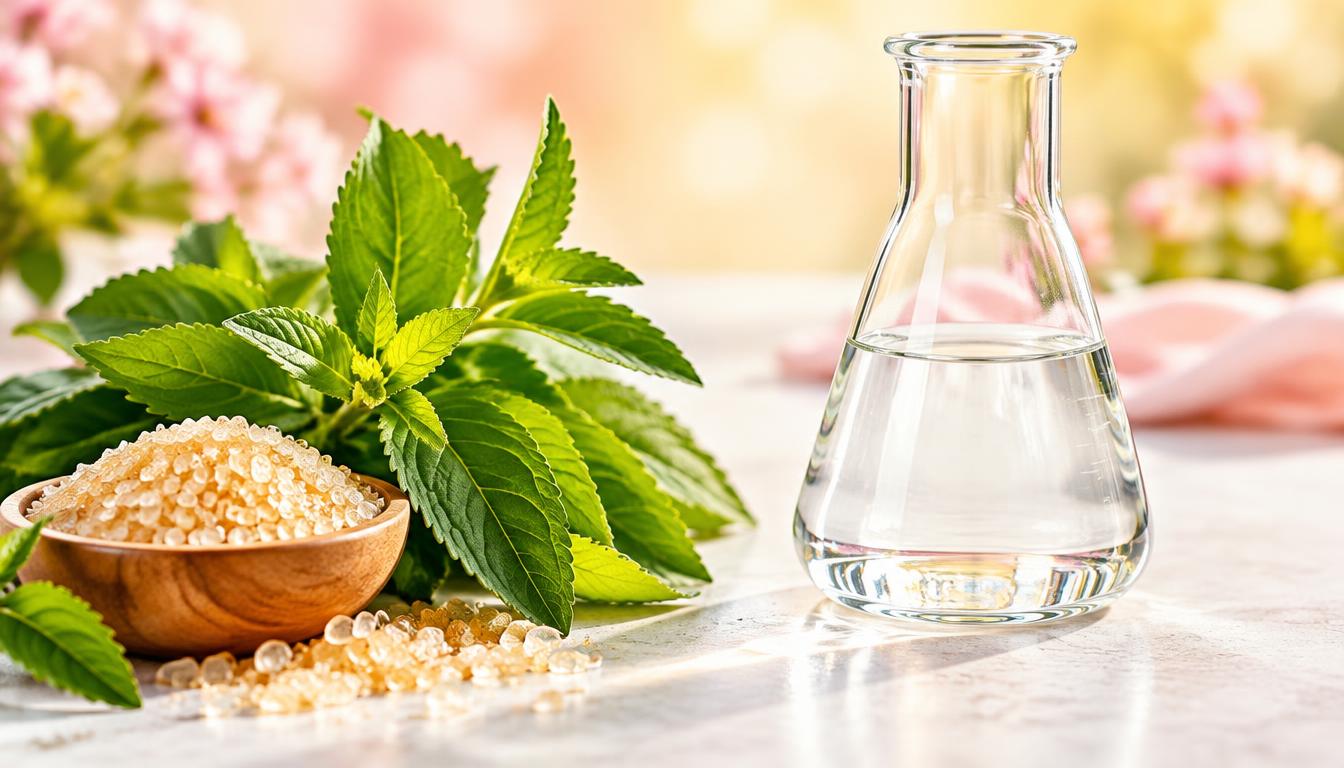
Reb-M vs Sucralose: What's Actually the Difference?
Reb-M is extracted from the stevia leaf; sucralose is synthesized from sugar. Origin, taste, regulatory status and daily-habit considerations compared.
5 min read