L-Theanine vs Taurine: Two Amino Acids, Two Very Different Jobs
Taurine built the classic energy drink; L-Theanine defines the modern one. What each actually does, what the research supports, and why ELITE chose theanine.
Key takeaways
- Taurine is the legacy energy drink amino acid — involved in hydration and nervous system regulation, not a stimulant.
- L-Theanine has far stronger human evidence for what people actually want: calm, focused alertness with caffeine.
- ELITE is built on 200 mg L-Theanine per can and contains no taurine.
Two amino acids, two eras of energy drink. Taurine defined the classic can; L-Theanine defines the modern one. They get mentioned interchangeably — they shouldn't be.
What taurine does
Taurine is an amino acid involved in bile salt formation, cell hydration and nervous system regulation. It became an energy drink staple with the original Red Bull formula, usually at 1,000 mg per can. Despite the mythology (no, it doesn't come from bulls), taurine isn't a stimulant — and human evidence that it adds meaningful energy or focus on top of caffeine is thin.
What L-Theanine does
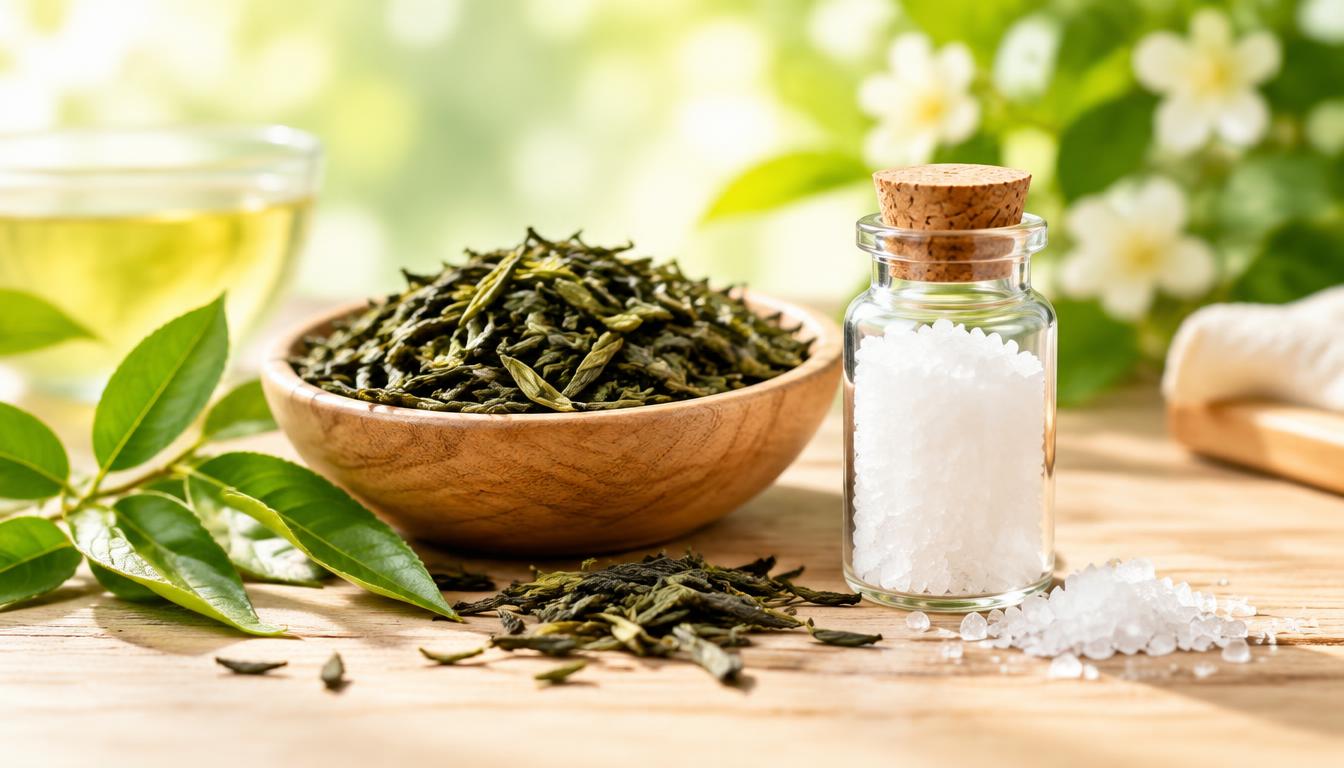
L-Theanine is the amino acid in tea leaves responsible for tea's calm-alert character. Paired with caffeine, it's the most-replicated focus combination in the literature: controlled trials, including a 2021 meta-analysis in Nutritional Neuroscience, report improved attention and task switching versus caffeine alone, with less of the jittery edge.
Head to head
| L-Theanine | Taurine | |
|---|---|---|
| Primary role | Calm alertness; smooths caffeine's edge | Cell hydration, bile salts, nervous system support |
| Human evidence with caffeine | Multiple controlled trials | Limited |
| Typical dose in drinks | 100–200 mg (when disclosed) | ~1,000 mg |
| Found in | Tea leaves; modern nootropic drinks | Classic energy drinks (Red Bull, Monster) |
Why ELITE chose theanine
The job of a modern energy drink is focus you can work with, not just stimulation. That's the pairing with the evidence behind it: 200 mg of L-Theanine with 200 mg of green tea caffeine in every can of ELITE — and no taurine, because the formula doesn't need a legacy ingredient riding on reputation.
What's in every ELITE can
- 200 mg green tea caffeine
- 200 mg L-Theanine
- 200 mg Lion's Mane
- 100 mg KSM-66® Ashwagandha
- 100% DV Methyl B-Complex
- 0 g sugar, naturally sweetened
Go deeper
The science behind the can
Frequently asked questions
What does taurine do in an energy drink?
Taurine is an amino acid involved in bile salt formation, cell hydration and nervous system regulation. Despite the mythology, it isn't a stimulant — human evidence for it adding energy on top of caffeine is thin.
Is L-Theanine better than taurine?
They do different things, but for what most people want from an energy drink — sharper, calmer focus — L-theanine has far stronger human evidence, with controlled trials showing improved attention when paired with caffeine.
Why doesn't ELITE contain taurine?
Because the evidence favors theanine for the job ELITE is built for. ELITE pairs 200 mg of green tea caffeine with 200 mg of L-Theanine — the most-replicated focus pairing in the literature — instead of the category's legacy taurine.
References & further reading
- Camfield et al. (2014), Nutrition Reviews — caffeine + L-theanine meta-analysis
- Haskell et al. (2008), Biological Psychology — L-theanine with caffeine, cognition and mood
- Ripps & Shen (2012), Molecular Vision — taurine: a 'very essential' amino acid
About the author
ELITE Energy
Official editorial content from the team behind ELITE Energy — Islamorada, FL
ELITE Energy editorial review: Checked for accuracy against published, peer-reviewed research and our current can formulation. Last reviewed October 22, 2026. This content is for educational purposes and is not medical advice.
Keep reading
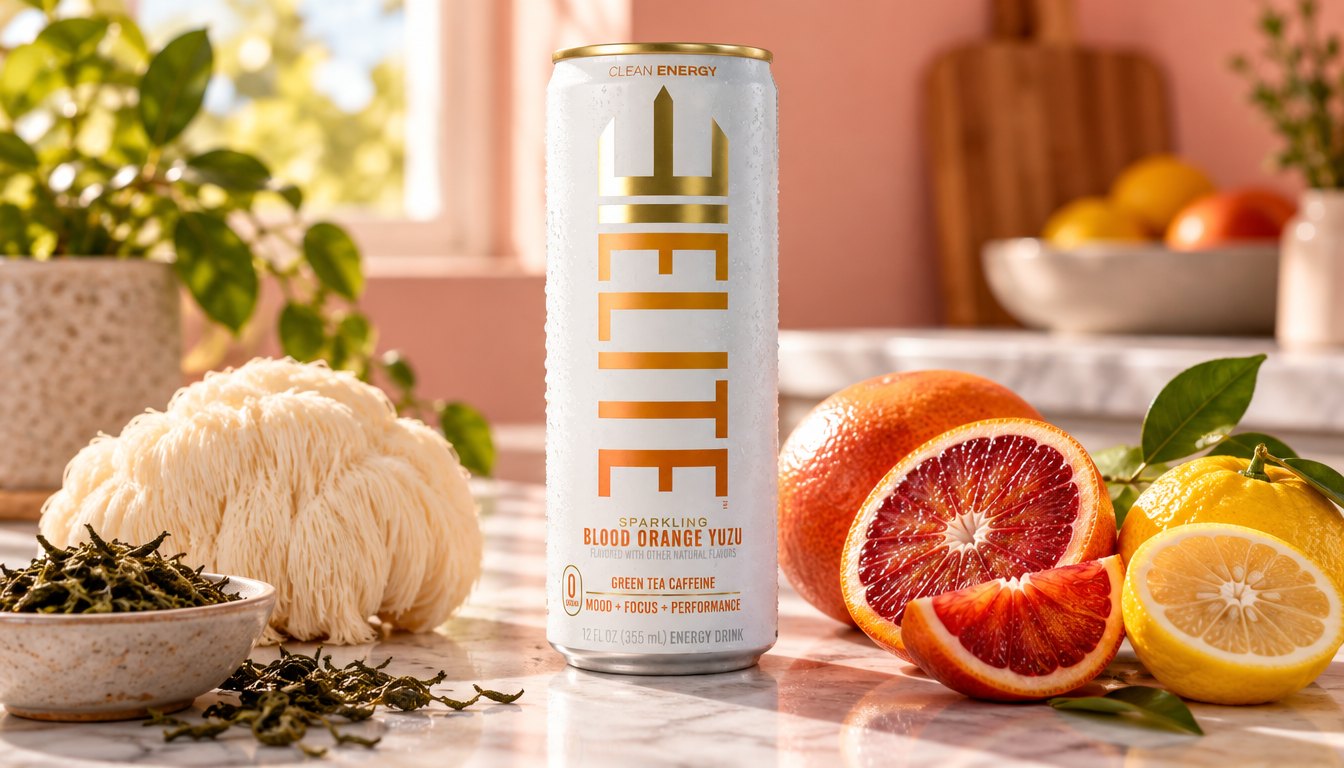
What Is a Nootropic Energy Drink?
Nootropic energy drinks pair caffeine with ingredients studied for focus and cognition. What the term means, what's usually inside, and what the research supports.
6 min read
What Is Reb-M? The Plant-Extracted Sweetener in ELITE
Reb-M (rebaudioside M) is the cleanest-tasting sweetener in the stevia leaf. How it's extracted, why it doesn't taste like old stevia, and why ELITE uses it.
5 min read
Reb-M vs Sucralose: What's Actually the Difference?
Reb-M is extracted from the stevia leaf; sucralose is synthesized from sugar. Origin, taste, regulatory status and daily-habit considerations compared.
5 min read