How Much Caffeine Is in an Energy Drink? 80–300 mg by Brand (2026)
Energy drink caffeine ranges from 80 mg to over 300 mg per can. Brand-by-brand numbers, the FDA's 400 mg daily guidance, how to read the label, and why 200 mg is the sweet spot.
Key takeaways
- Energy drinks range from about 80 mg to over 300 mg of caffeine per can.
- The FDA cites 400 mg per day as generally not associated with negative effects in healthy adults.
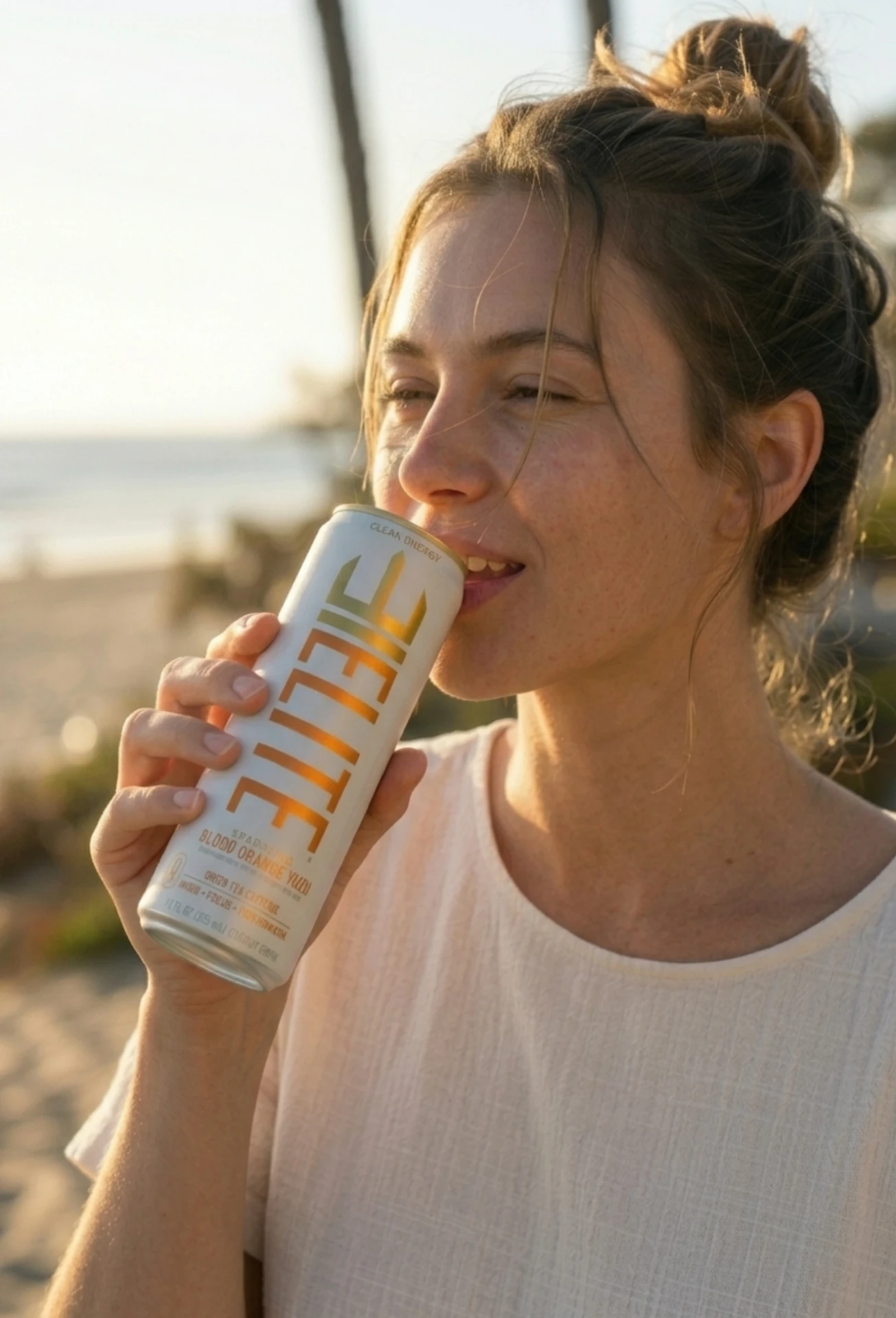
- ELITE sits at 200 mg — roughly two coffees — from green tea, paired 1:1 with L-Theanine.
The number on the can is only half the answer. Dose, source and what the caffeine is paired with together decide how the next four hours actually go.
Typical caffeine by drink
| Caffeine (approx.) | Notes | |
|---|---|---|
| Brewed coffee, 8 oz | 95 mg | Varies widely by roast and brew |
| Espresso, 1 shot | 63 mg | Small volume, fast delivery |
| Green tea, 8 oz | 28 mg | Comes with natural L-Theanine |
| Mainstream energy drink, 16 oz | 160–300 mg | Usually caffeine anhydrous |
| ELITE Energy, 12 oz | 200 mg | Green tea caffeine + 200 mg L-Theanine |
How much is too much?
The FDA cites 400 mg per day as an amount not generally associated with negative effects for healthy adults — about four cups of coffee. That's a population reference, not a personal one: genetics, body size, medication and tolerance all move the line. Adolescents, people who are pregnant, and anyone with a cardiac condition should be considerably more conservative.
Why 200 mg is a useful target
- High enough to be a real dose, not a token amount
- Leaves headroom under the 400 mg daily reference for coffee or tea later
- Sits inside the 100–200 mg range used in most cognitive-performance research
Source and pairing change the experience
Two cans at 200 mg can feel completely different. Caffeine anhydrous — the synthetic form in most cans — arrives unbuffered. ELITE pairs green tea-derived caffeine with L-Theanine at a 1:1 ratio, which research shows blunts the arousal spike without reducing alertness.
What's in every ELITE can
- 200 mg green tea caffeine
- 200 mg L-Theanine
- 200 mg Lion's Mane
- 100 mg KSM-66® Ashwagandha
- 100% DV Methyl B-Complex
- 0 g sugar, naturally sweetened
Timing beats dose for sleep
Caffeine's half-life is roughly five to six hours, so a 200 mg can at 4 p.m. still has meaningful caffeine on board at bedtime. Front-load your day and the same dose costs you nothing at night.
Educational content, not medical advice. Talk to your doctor about caffeine if you're pregnant, nursing, under 18, or managing a heart condition.
Go deeper
The science behind the can
Frequently asked questions
How much caffeine is safe per day?
The FDA cites 400 mg per day as generally not associated with negative effects for healthy adults. Sensitivity varies, and it's lower for adolescents and during pregnancy.
Is 200 mg of caffeine a lot?
It's roughly two cups of coffee — a meaningful dose that stays well under the FDA's 400 mg daily reference for healthy adults.
How much caffeine is in an ELITE Energy?
200 mg of green tea-derived caffeine per 12 oz can.
References & further reading
- FDA, Spilling the Beans: How Much Caffeine Is Too Much?
- USDA FoodData Central — caffeine content of common beverages
- Camfield et al. (2014), Nutrition Reviews — caffeine + L-theanine
About the author
ELITE Energy
Official editorial content from the team behind ELITE Energy — Islamorada, FL
ELITE Energy editorial review: Checked for accuracy against published, peer-reviewed research and our current can formulation. Last reviewed October 22, 2026. This content is for educational purposes and is not medical advice.
Keep reading
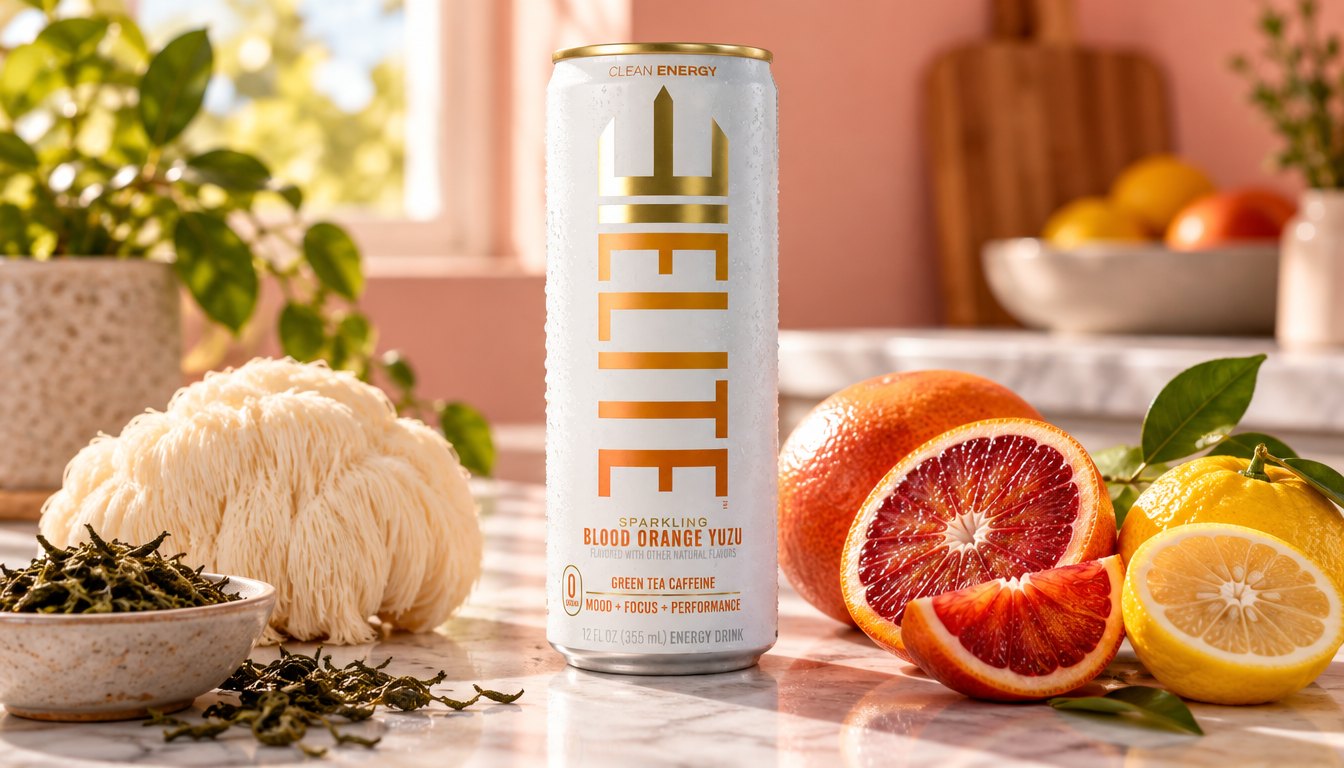
What Is a Nootropic Energy Drink?
Nootropic energy drinks pair caffeine with ingredients studied for focus and cognition. What the term means, what's usually inside, and what the research supports.
6 min read
What Is Reb-M? The Plant-Extracted Sweetener in ELITE
Reb-M (rebaudioside M) is the cleanest-tasting sweetener in the stevia leaf. How it's extracted, why it doesn't taste like old stevia, and why ELITE uses it.
5 min read
Reb-M vs Sucralose: What's Actually the Difference?
Reb-M is extracted from the stevia leaf; sucralose is synthesized from sugar. Origin, taste, regulatory status and daily-habit considerations compared.
5 min read