How to Choose an Energy Drink: What Actually Matters on the Label
A practical, evidence-based buying guide: caffeine dose and source, sugar, sweeteners, disclosed functional doses, and how to match a can to your day.
Key takeaways
- Four lines on the label decide most of the experience: caffeine dose, caffeine source, sugar, and sweetener.
- Functional ingredients only count when doses are disclosed in milligrams.
- The right can depends on your day — daily habit, workout, or deep work call for different formulas.
The energy drink aisle is designed to be unreadable. This is the ten-second version: four lines on the panel tell you almost everything that matters.
1. Caffeine dose: 200 mg is the useful ceiling
Cans range from 80 mg to 300 mg+. The FDA cites 400 mg per day as not generally associated with negative effects for healthy adults, so a 300 mg can spends most of that budget in one shot. Around 200 mg — roughly two cups of coffee — is a real dose that leaves headroom, and it sits inside the range used in most cognitive-performance research.
2. Caffeine source: named beats anonymous
"Caffeine anhydrous" is synthetic caffeine — cheap, isolated, unbuffered. A named natural source like green tea tells you more about the formula's intent. The molecule is identical either way; what matters is what the brand paired it with.
3. Sugar: zero is solved, but check what replaced it
A traditional 16 oz can can carry more added sugar than the American Heart Association recommends in a day. Zero-sugar formulas remove that — but most swap in sucralose, acesulfame potassium, or erythritol. If this is a daily habit, look for a plant-extracted sweetener like Reb-M instead.
4. Functional ingredients: milligrams or it didn't happen
A "focus blend" or "energy blend" with a single combined weight tells you nothing — effective doses in research are often larger than the entire blend. Ingredients worth having, like L-Theanine, Lion's Mane, or KSM-66® Ashwagandha, should each carry their own number.
Match the can to the day
| Your day | What to prioritize | What to avoid |
|---|---|---|
| Daily habit | 0 g sugar, plant-extracted sweetener, moderate caffeine | 300 mg cans, artificial sweeteners |
| Deep work / study | Caffeine + L-Theanine pairing, disclosed nootropic doses | Sugar, proprietary blends |
| Training | Caffeine dose you tolerate, hydration alongside | Late-day dosing that costs you sleep |
| Afternoon pickup | Lower dose or earlier timing | Anything within ~8 hours of bed |
How ELITE reads on those four lines
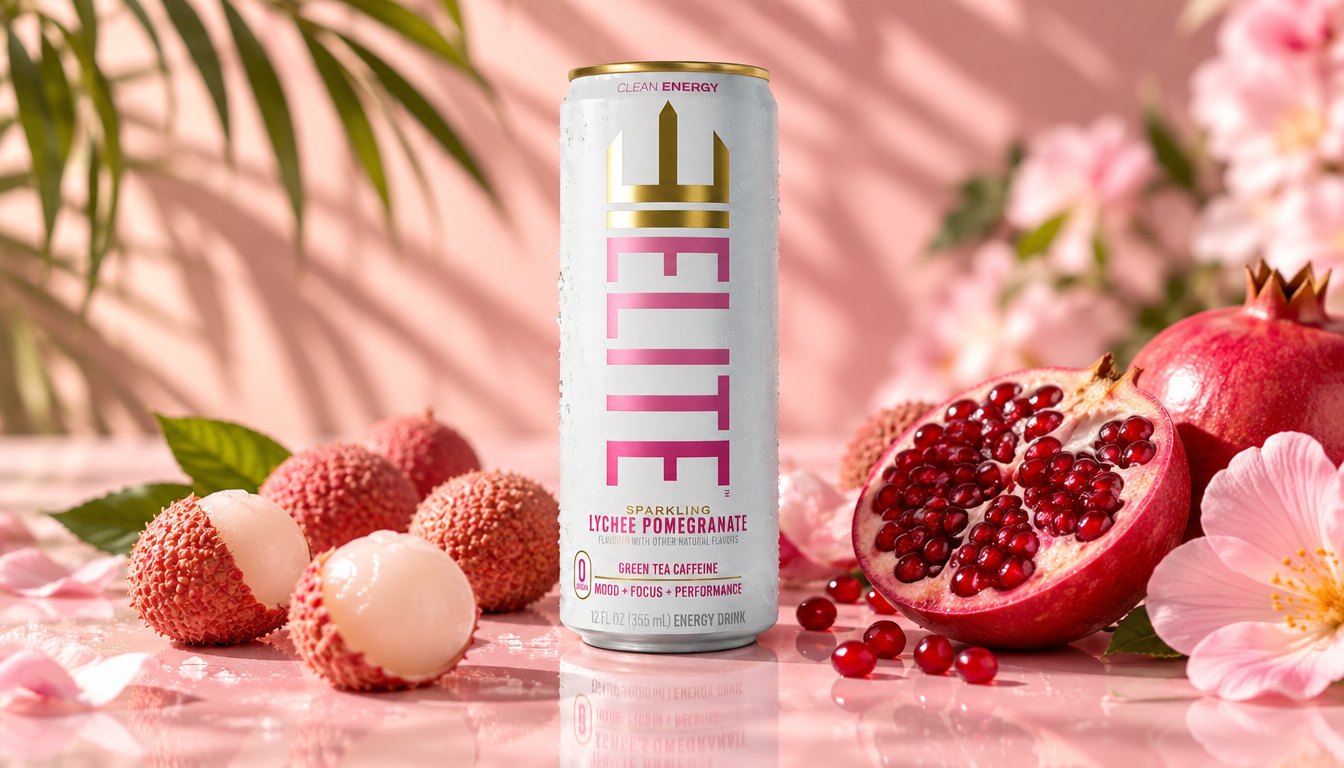
200 mg green tea caffeine, 0 g sugar, sweetened with plant-extracted Reb-M, and every functional ingredient disclosed: 200 mg L-Theanine, 200 mg Lion's Mane, 100 mg KSM-66® Ashwagandha, 100% DV methylated B-complex.
Educational content, not medical advice. Adolescents, people who are pregnant or nursing, and anyone with a heart condition should be more conservative with caffeine.
Go deeper
The science behind the can
Frequently asked questions
What is the healthiest energy drink?
There's no universal answer, but the label pattern to look for is consistent: 0 g added sugar, a named caffeine source at a moderate dose, no sucralose or acesulfame potassium if you avoid artificial sweeteners, and functional ingredients disclosed in milligrams.
Is 200 mg of caffeine too much for a daily energy drink?
For most healthy adults, no — it's half the FDA's 400 mg daily reference and roughly two cups of coffee. Sensitivity varies, and the limit is lower for adolescents and during pregnancy.
What should I avoid on an energy drink label?
Proprietary blends that hide doses, 300 mg+ caffeine if it's a daily habit, added sugar, and long lists of artificial colors and sweeteners you'd rather not drink every day.
References & further reading
- FDA, Spilling the Beans: How Much Caffeine Is Too Much?
- American Heart Association — added sugar recommendations
- Camfield et al. (2014), Nutrition Reviews — caffeine + L-theanine and attention
- WHO guideline on non-sugar sweeteners (2023)
About the author
ELITE Energy
Official editorial content from the team behind ELITE Energy — Islamorada, FL
ELITE Energy editorial review: Checked for accuracy against published, peer-reviewed research and our current can formulation. Last reviewed October 22, 2026. This content is for educational purposes and is not medical advice.
Keep reading
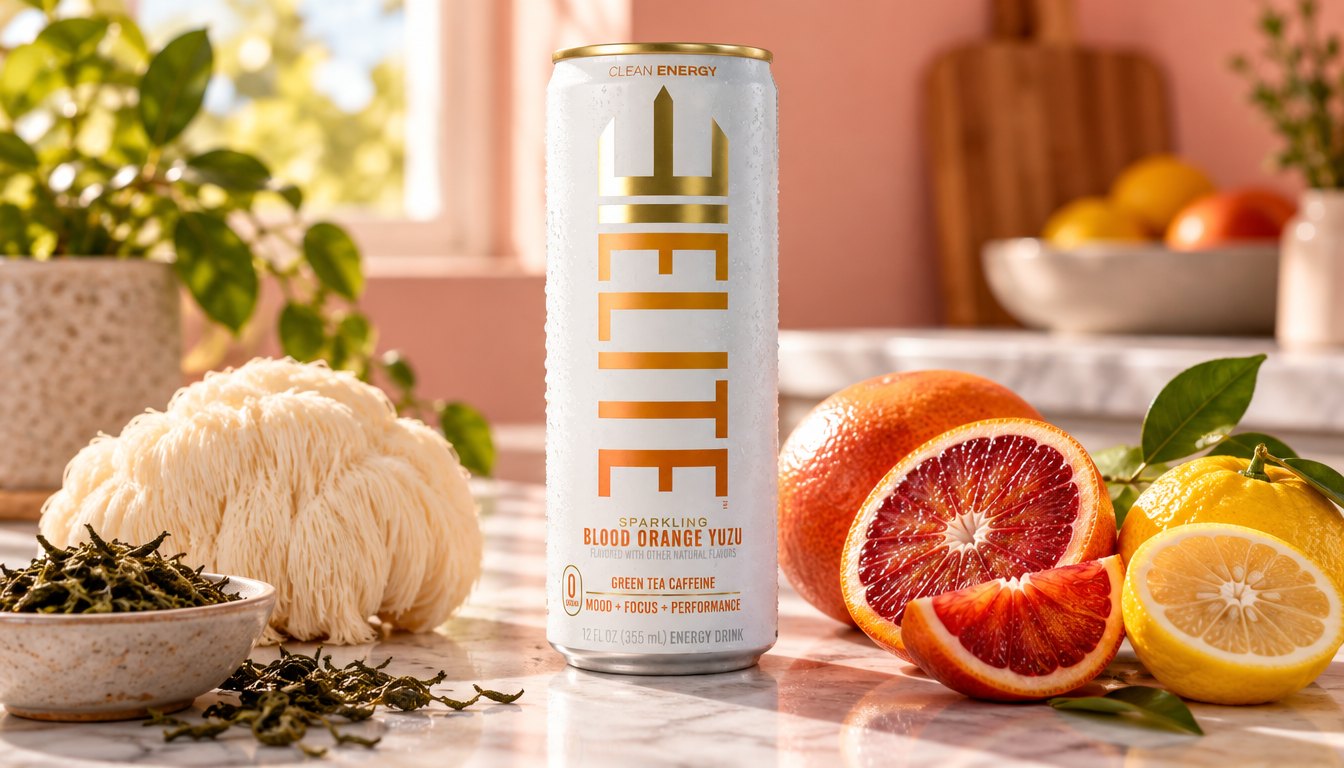
What Is a Nootropic Energy Drink?
Nootropic energy drinks pair caffeine with ingredients studied for focus and cognition. What the term means, what's usually inside, and what the research supports.
6 min read
What Is Reb-M? The Plant-Extracted Sweetener in ELITE
Reb-M (rebaudioside M) is the cleanest-tasting sweetener in the stevia leaf. How it's extracted, why it doesn't taste like old stevia, and why ELITE uses it.
5 min read
Reb-M vs Sucralose: What's Actually the Difference?
Reb-M is extracted from the stevia leaf; sucralose is synthesized from sugar. Origin, taste, regulatory status and daily-habit considerations compared.
5 min read